Metroid Prime 2 was released in 2004 and was one of my most anticipated games for that year, alongside Halo 2. Metroid Fusion and Prime had me engrossed in the series, so having more Metroid so soon was exciting. Even though I had yet to complete Prime 1, I dove into Prime 2, and I vividly remember the experience of feeling lost. I made it to the Sky Temple Key hunt before moving on from the game. Now, 20 years later, I have finally returned to Metroid Prime 2 and finished the game. The experience, though, was not an overall enjoyable one.
Score 6 / 10 · skip to the summary ↓
This post contains affiliate links. As an Amazon Associate I earn from qualifying purchases. Other store links may also earn me a commission at no extra cost to you.
Story

A Galactic Federation patrol ship has engaged in combat with a Space Pirate supply ship over the planet Aether. Both ships receive substantial damage and land on Aether. Contact with the patrol was lost, so the Federation calls upon Space Hunter Samus Aran to locate them. Arriving on Aether, Samus’ ship is damaged by an electromagnetic storm, and she is forced to land and explore the planet on foot. Things aren’t right on Aether, and Samus quickly becomes involved in a battle between light and dark and the fate of all Aether.
The greatest aspect of Metroid Prime 2 is its story. Prime 1 first introduced us to scanning the environment for story exposition, and Prime 2 continues this trend well with tons of content to discover and expand its plot. This time around, however, cutscenes are also used to deliver basic plot points about the struggle of the Luminoth versus the invading darkness of the Ing. While serviceable with its text-based delivery, finding as many lore scans as possible from the Luminoth and Space Pirate logs elevates the narrative as a whole.
The experience, while not incredibly complex, tells a compelling tale. While the focus quickly shifts away from finding surviving Marines and dealing with Space Pirate machinations, the direction Metroid Prime 2 goes feels natural and believable. The invasive nature of the Ing is a cool premise, and they mostly serve as a nice antagonistic force to deal with throughout the run of the game. The Luminoth, on the other hand, feel like a reskin of the Chozo, and I have a hard time seeing them as their own distinct, compelling race.
Gameplay
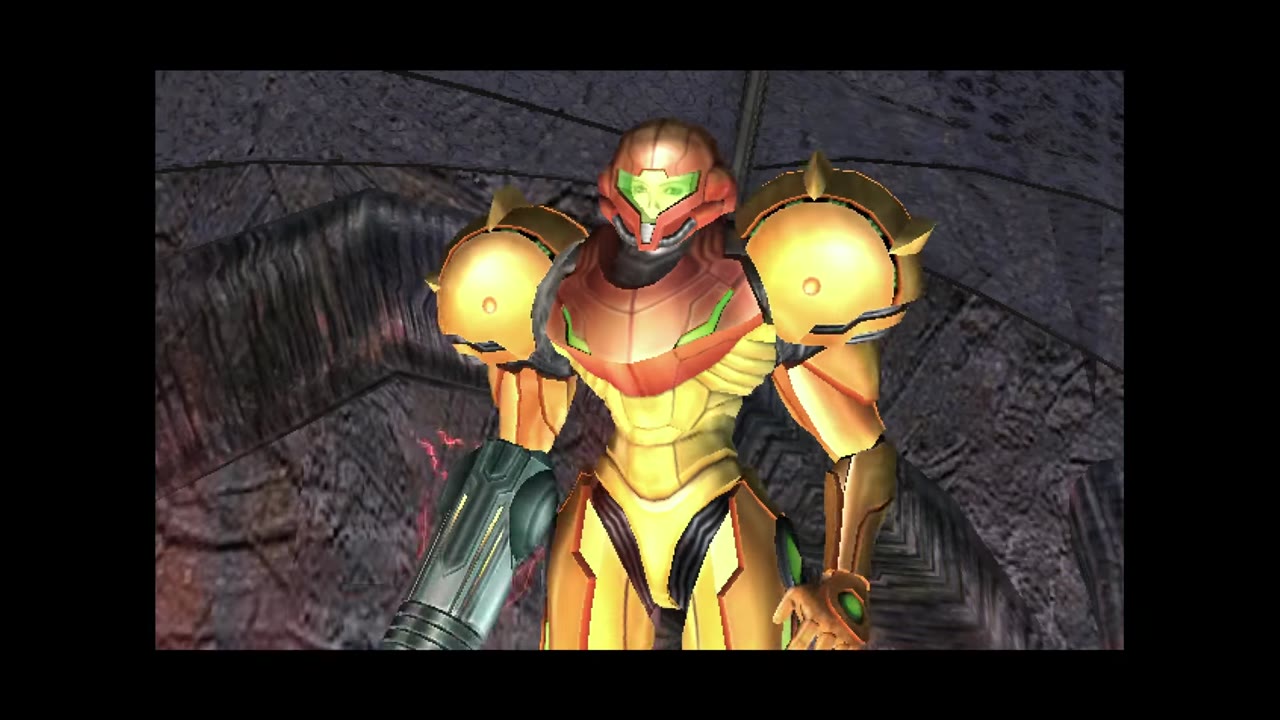
The basics of gameplay for Metroid Prime 2 remain similar to those of Metroid Prime, with single-stick legacy controls. Players can lock onto enemies by holding the left trigger, enabling strafe movements and evasive dodges with a double tap of the B button. B also serves as your jump button. A shoots your beam cannon while Y shoots missiles. Morph Ball is accessed with the X Button. Your C stick lets you change between the game’s 4 weapons, while the D-pad changes visor types. A map is always accessible at the press of the Z button, while start brings up your inventory and logbook to delve deeper into information on enemies and the game's lore.
As you begin Prime 2, you have nearly all of Samus’ abilities from the end of Metroid Prime, minus beams and visors. As you proceed through the game, you are introduced to the most unique aspect of Prime 2 with the introduction of its dark world mechanic. Upon entering the dark world for the first time, Samus is attacked by the Ing and loses most of her abilities. I always appreciate lore reasons for the loss of equipment between titles, and both Prime and Prime 2 delivered in this regard.
For the majority of playtime to follow, you will be defeating Ing equipped with your lost abilities to gain them back while restoring the light of Aether from the dark world. Several new visors and weapon types are introduced to the gameplay loop and abilities like the Screw Attack make their 3D debut! Screw Attack also serves as a wall jump mechanic in specific situations and helps give Prime 2 a more traditional Metroid feel. Spider Ball being expanded upon with the Boost Ball is also a fun addition to the original movement mechanics of the first game.
The world of Metroid Prime 2 is broken up into four areas with a central temple complex. Each area likewise has a light and a dark variant. Using both light and dark worlds gives Prime 2 unique traversal opportunities that the game takes advantage of quite often. At many points of your journey, utilizing portals between the worlds is essential for progression. I got stuck a few times by failing to recognize some of these traversal points quickly, but it thankfully never got me completely stuck. Each area feels unique and like a part of a dying planet. The dark world contaminating Samus and dealing constant damage further lends credibility to the Ing threat.
In three of these areas, players must find three dark temple keys to restore the light of Aether from the Ing. After the three temples have been restored, players are tasked with finding 9 Sky Temple keys to bring about the end of the Ing threat. This gameplay loop is where my enjoyment of Prime 2 begins to wane. I can’t think of a soul who says the artifact hunt is their favorite moment of Metroid Prime. Making key hunts the core point of exploration for Prime 2 makes the game feel disrespectful of your time and serves as an artificial way to extend playtime in an unmeaningful way.
Backtracking in Prime 2 is also an area that players, like myself, could take issue with. Once you unlock new areas of the map to explore, you will frequently find yourself backtracking to older areas to find new abilities or expansion tanks. Thankfully, the areas in Prime 2 are better connected than those in Prime, so it helps mitigate some of the frustration. Unfortunately for me, I find many areas of Prime 2’s map unenjoyable, due to cheap encounters and randomly self-locking doors. Having to revisit them several times became a chore and outright tedious. The Torvus Bog in particular becomes a slog once you hit its underwater segments.
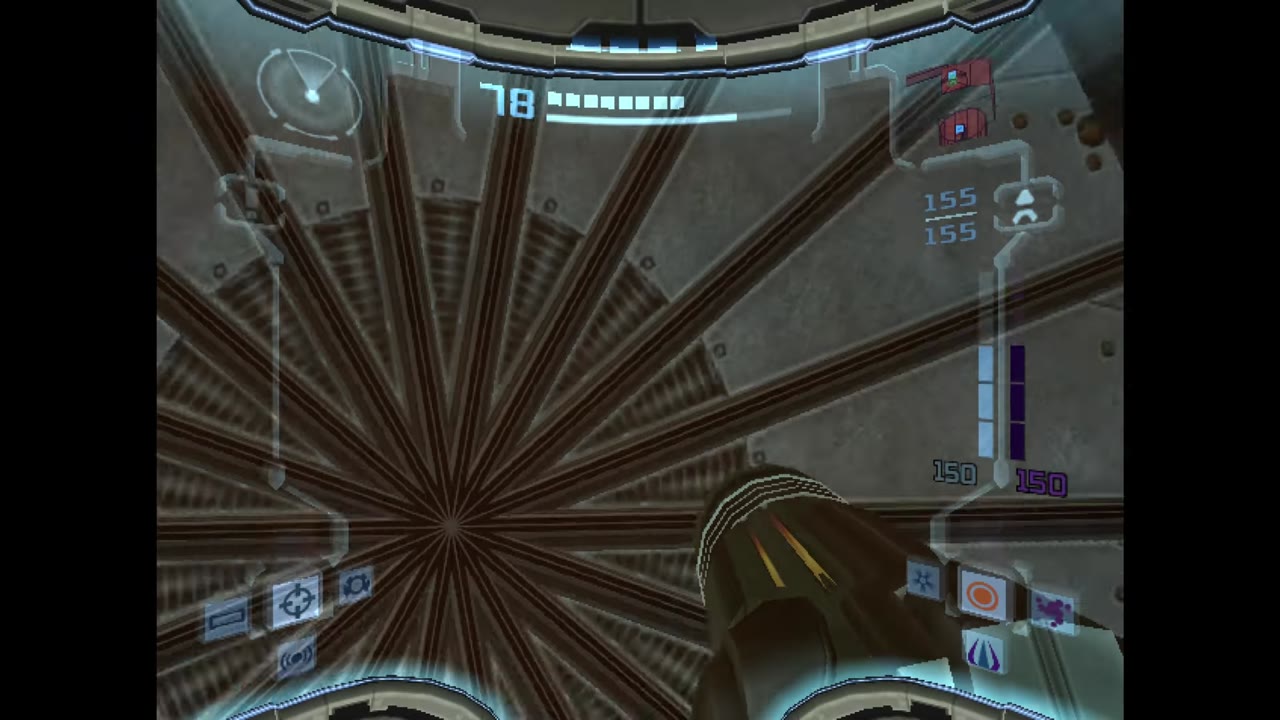
Combat retains a great feel, and the introduction of new weapons is exciting, even if at their core, they are equivalent to those found in Prime. Unfortunately, Prime 2 tacks on an unnecessary ammo counter to your expansion beams that disrupts gameplay far too frequently. Even after collecting extensions to your ammo limit, you can easily run out of ammo and, as a result, have a much harder time dealing with enemies or bosses. The game usually provides some ammo in destroyable crates, and using ammo from one beam type to defeat an enemy can grant ammo for the opposite beam, so you can always try to have a small reserve. Another point of contention I take with this system is its failure to teach you that you can always use the charge beam to fire a basic shot of each weapon, regardless of ammo.
Most enemies are enjoyable enough to fight, and finding the right method of dealing with them can be a blast. Hitting a Space Pirate with a charged dark beam and following up with a missile will never disappoint! But too often in this game, you will deal with enemies that require a visor you don’t have yet or ones with too many forms of invulnerability. This makes encounters feel cheap and, until you get the dark visor, pointless as the dark pirate commandos will disappear after a few minutes of warping in and out of the visible spectrum. The Ing turning into goop can also lead to some cheap hits at times, but thankfully, they can still be damaged while in that form.
A neat thing about Prime 2 is its number of boss encounters. While Prime lacked in this category, Prime 2 has you going up against a powered-up opponent quite frequently. While most are fairly trivial, there are some fun moments to be had. But like with standard enemies, several have far too many occurrences of invulnerability states that can be quite annoying. Hit detection during others can also be incredibly frustrating. The final two fights in particular proved far more irritating than fun. The concept of a Dark Samus will never not be interesting to me, and I am glad most of those encounters were enjoyable, as she uses your abilities against you.
Audio
Metroid Prime 2 has terrific audio work throughout its runtime. While not as iconic as the first game, the unique music fits the feel of each area and provides the right ambiance for your exploration. Attacks, abilities, enemies, and other ambiance likewise sound excellent and tie together the feel of the world. The Luminoth speech sounds cool and thankfully doesn’t get annoying like gibberish speech found in many older games.
Visuals
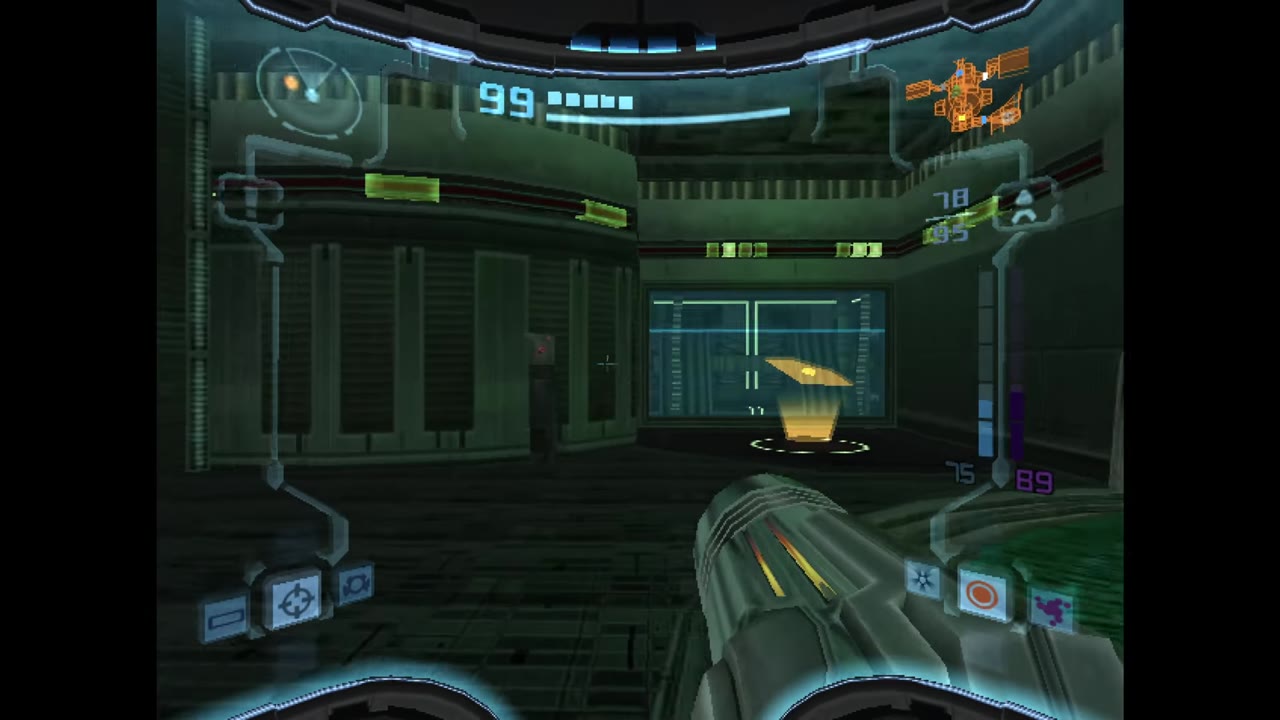
Metroid Prime 2 steps up its visual presentation from Prime, which was already an incredible looking game. Environments feel expanded upon and are nicely detailed to feel like that of a dying world. The dark world variants feel ominous, and the seeping effect of its corruption on Samus is well done. Characters are well modeled and given plenty of animations. While each beam weapon is essentially a reskin of those from Prime, Prime 2 does a decent enough job of making them look and feel unique while in use for me to be satisfied. Unfortunately, I find the new dark and light armors to be rather ugly. From my understanding, they also lack the franchise’s signature damage reduction from enemy attacks and instead only protect from the effects of Dark Aether. Enemies likewise feature numerous reskins from Prime, but they look cool, and the Ing look like the nightmares they are made out to be. While more Ing variety would have been nice, their ability to possess other organisms helped mitigate the lack of variety.
What It Could Have Done Better
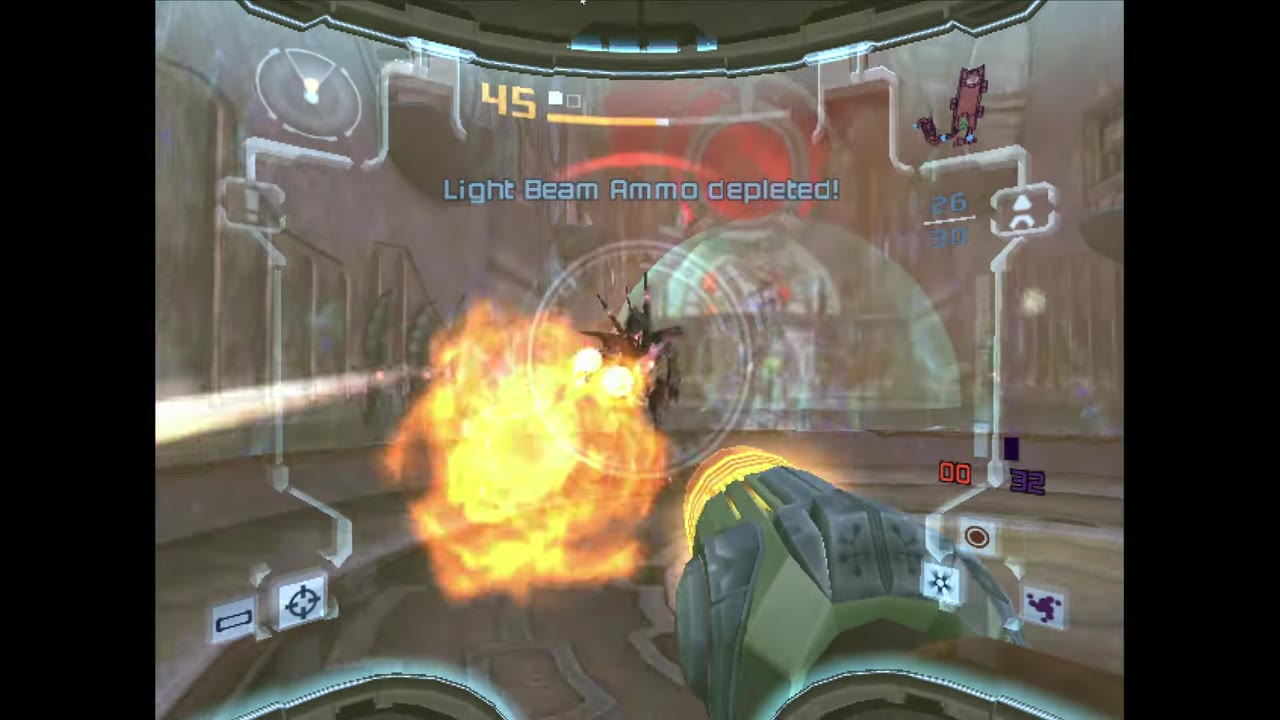
While I feel like I should enjoy Prime 2, many things about it have soured me on its journey. I find several points of the world map a pain to traverse. The constant hunt for temple keys gets tedious and unenjoyable after a while. Having to find nine additional keys hidden in each of the game's four areas calls back to the worst part of Prime in an even more tedious backtracking manner. The Ammo system serves no tangible purpose other than to be an annoying limitation to artificially inflate the difficulty in certain parts of the game. Getting new suits and visors takes a long time, and a good chunk of the game is over before you get to enjoy what a fully powered-up Samus is capable of.
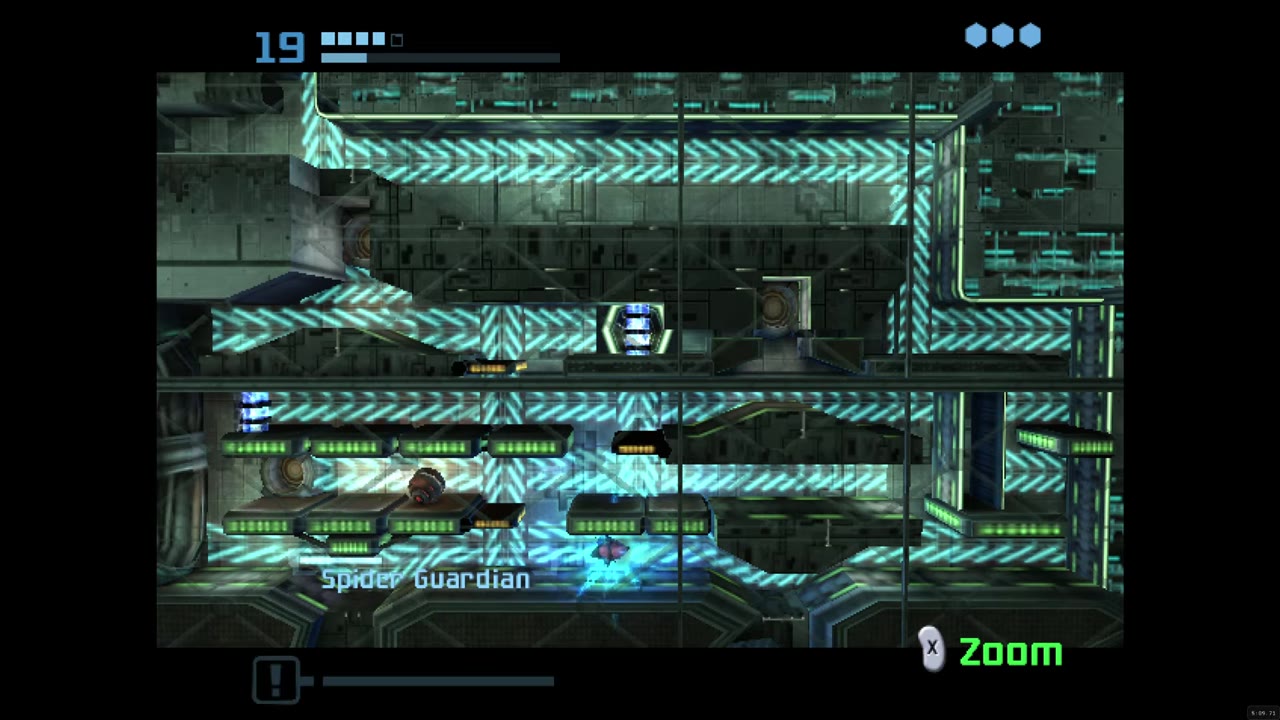
Several enemies have too many states of invulnerability to artificially inflate the difficulty needlessly. While it is cool to have so many boss fights, several are incredibly easy to deal with. Others, again, have too many invunerability states and very small attack windows. The Spider Ball Guardian is a particular highlight in frustration, thanks to the jank hit detection on the environments and bombs' blast radius feeling very off. The water jetpack feels incredibly pointless, and none of the underwater segments feel good to play in. Save areas are also infrequent throughout Prime 2, but at least in most of the playthrough, you pass by them regularly enough that it isn’t an issue most of the time.
Replayability
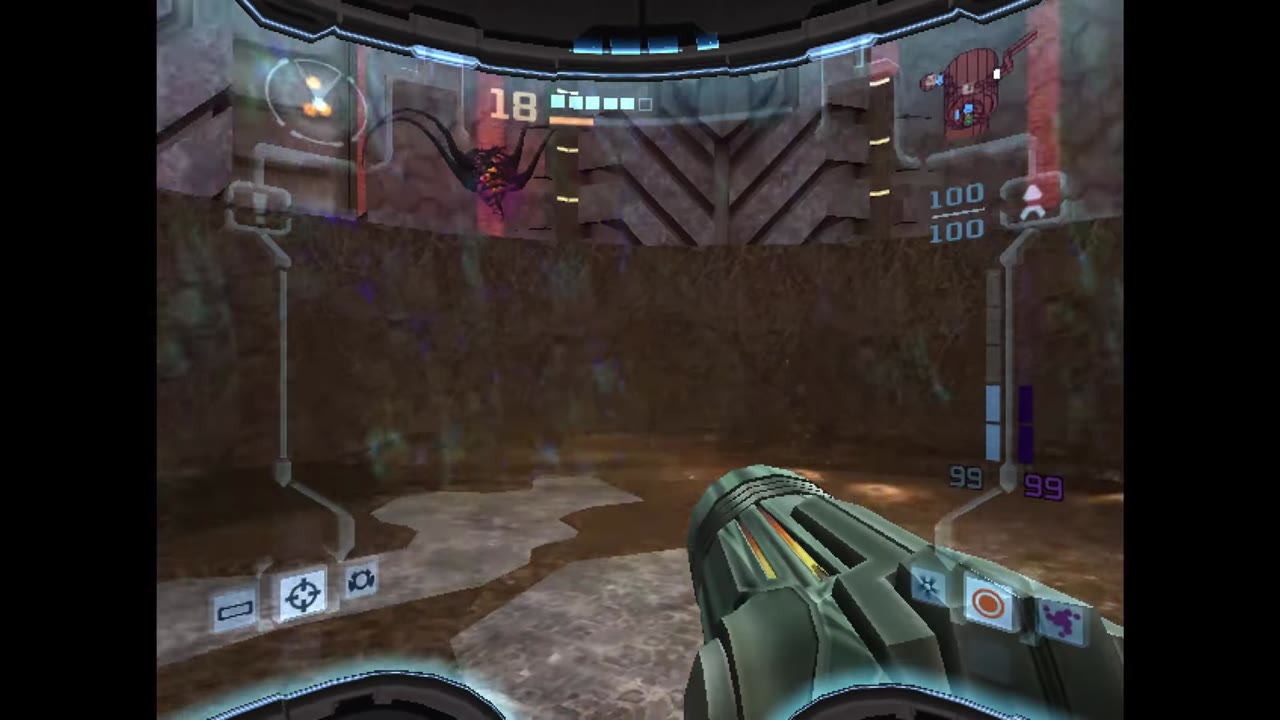
The main reason to return to Metroid Prime 2 after completing it is to experience the game's hard mode. While I won’t be trying out that journey anytime soon, collecting each of the game's items and scans will unlock image galleries to enjoy. A four-player split-screen multiplayer is also included, so you can have death matches with friends! While not as robust as other games of the era, there can be some fun moments to have if you are looking for a throwback multiplayer night.
Other Versions
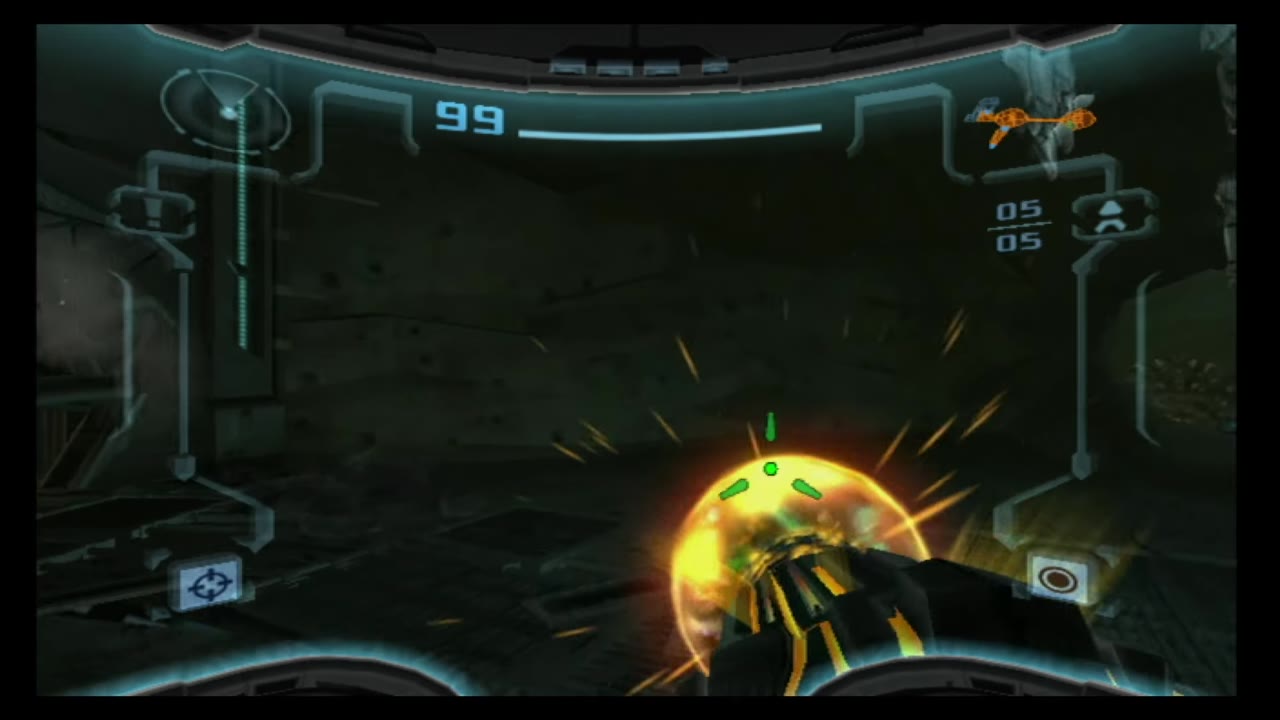
Metroid Prime 2 saw a rerelease on the Nintendo Wii in 2009 as part of the Metroid Prime Trilogy. This new iteration of the game brought with it motion control aiming, which can help immensely in many encounters. Spring ball was also included in this version which helps make up for many of the crappy collison issues I have had with the morph ball bombs. Several bosses were also rebalanced to make them less troublesome. Tokens are granted to players by achieving different milestones in the game, which are then used to unlock extras on the main menu.
Verdict
While my Prime 2 journey started well and was enjoyable at first, it quickly overstayed its welcome. The story and traversal of light and dark worlds are a highlight of the experience, but unfortunately, I find too much of the game world obnoxious to get through. Key hunting becomes tedious, and I will never find that the ammo system adds anything meaningful to gameplay. The number of boss encounters is nice, but sadly, many could be considered filler. Invulnerability states on enemies and bosses further force the feeling of artificial difficulty being too heavily relied upon. While I can understand why many could consider Prime 2 a great game, it has far too many annoyances for me to ever put it in that category, and as it stands today, it is the worst Metroid game I have played to date.

- What I liked
- ✓ Story is the greatest aspect
- ✓ Light and dark world traversal is unique
- ✓ Screw Attack and Boost Ball are fun additions
- ✓ Cool to have many boss fights
- ✓ Lore reasons for losing equipment are appreciated
- What I didn't
- ✕ Key hunting requires overly tedious backtracking
- ✕ Ammo system serves no tangible purpose
- ✕ Too many invulnerability states on enemies
- ✕ Water jetpack and underwater segments feel pointless
- ✕ New suits arrive too late in the game
📖 More from Archades Games
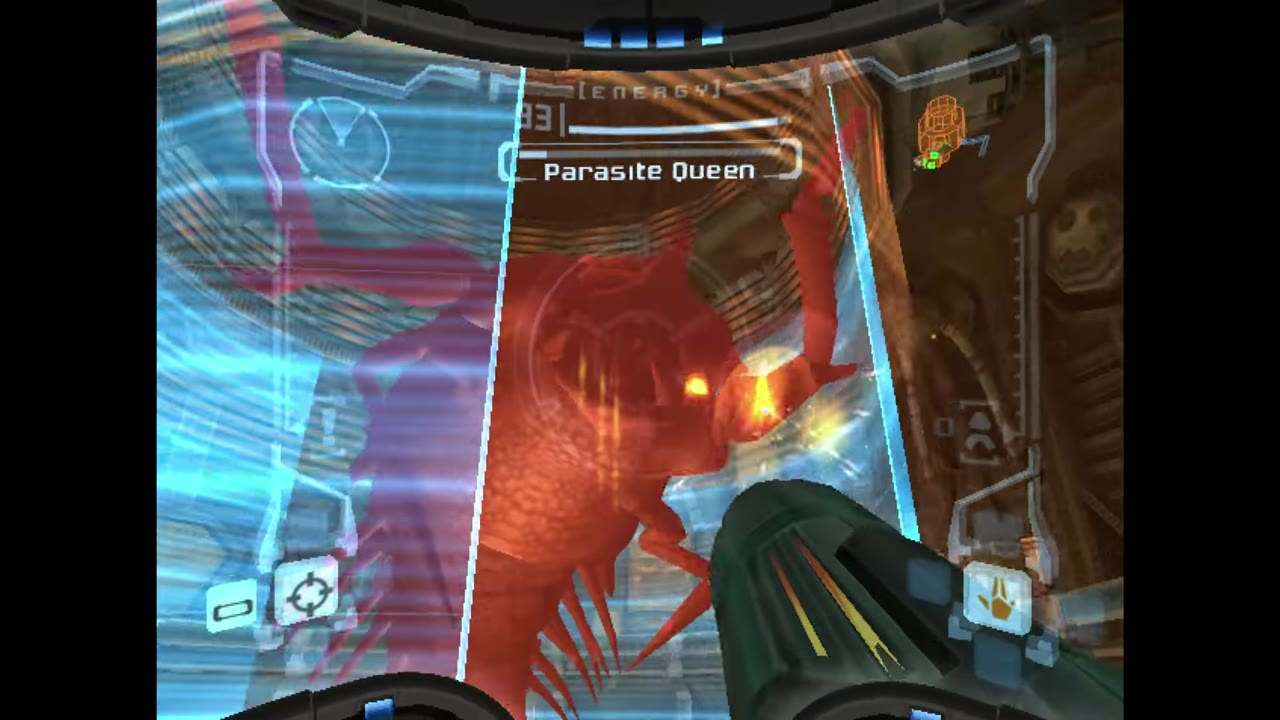 Metroid Prime Is Still Amazing To Play! - Retro Review
 Retro Review: ZOIDS: BATTLE LEGENDS
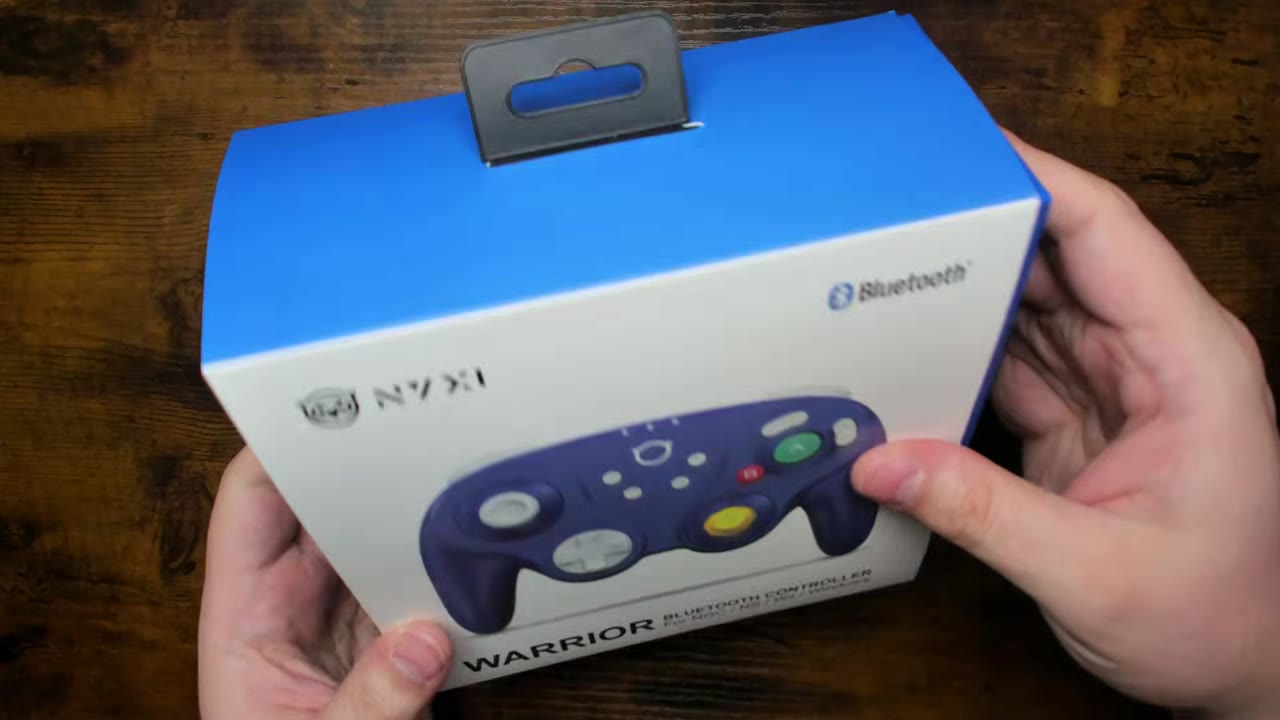 The NYXI Warrior Has Potential But Still Requires Refinements - Review
🛒 Gear in this post
Metroid Prime 2: Echoes (GameCube)
🇯🇵 Import a Japanese copy with JPFans: MercariYahoo Auctions
RetroTink 4K
This post contains affiliate links. As an Amazon Associate I earn from qualifying purchases. Other store links may also earn me a commission at no extra cost to you.