Metroid Fusion is a special game in the Metroid Franchise to me as it is the first Metroid game I ever owned and completed. While I had played Metroid and Metroid II at a friend's house, they weren’t games I ever came close to finishing growing up. For whatever reason, seeing ads for Metroid Fusion in copies of Game Informer had me obsessed with it. So, during our Thanksgiving break in 2002, I grabbed the game and was hooked! Exploring the BSL Research Station was a different gaming experience from the typical assortment of games I played then, and it took me a while to finally complete it. I haven’t beaten the game since my time with it back in the early 2000s, but I have dove back in from time to time thanks to the releases on the 3DS and Wii U Virtual Console. But now, 23 years from its original release, I have finally completed Metroid Fusion again, and it is still an awesome journey to experience!
Story
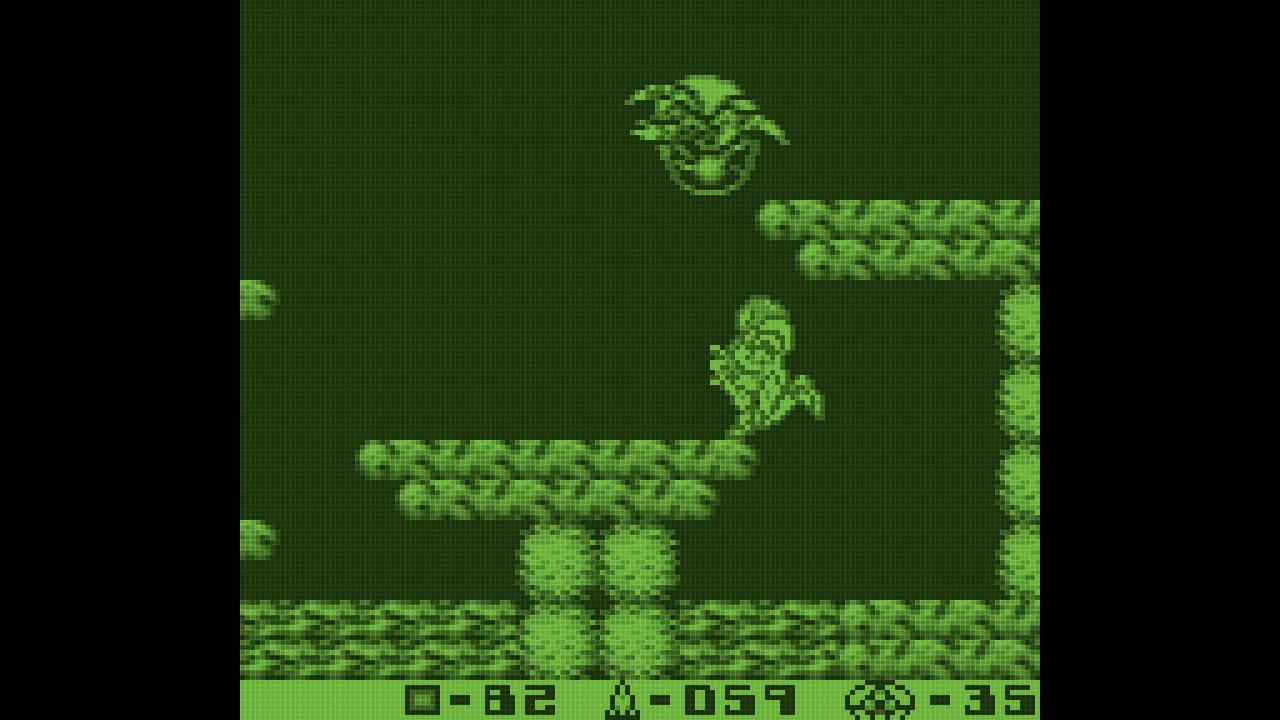
Some time has passed since Samus Aran defeated the Mother Brain on the planet Zebes with help from the Baby Metroid. With the destruction of Zebes and the remaining Metroids, peace was restored to the galaxy. Thanks to Samus’s previous efforts to eliminate Metroid life on the planet SR388, the Galactic Federation wanted to study the impact of the cleansing on the ecosystem. Samus, being familiar with the planet, is hired to guard BSL scientists as they observe and collect samples from the planet. During a research expedition on the planet's surface, Samus comes into contact with an unknown entity later dubbed the X Parasite. The X Parasite infects Samus as she leaves the planet. Losing consciousness, her ship collides with asteroids around SR388. Samus is later recovered from an automatic escape pod, and scientists evaluate the extent of her condition. Having no chance for survival, scientists decide to try infusing Metroid DNA from the Baby into Samus. The Metroid DNA eliminates all traces of the X Parasite within Samus, and she begins to recover. She then overhears a distress call from the BSL Research Station above SR388 and rushes to investigate!
Metroid Fusion is the First Metroid game released that incorporates dedicated storytelling elements within its playtime instead of just an introduction sequence. You will have frequent briefings with Samus’s ship's computer, and Samus provides her thoughts on the situation through inner monologues at various points of a playthrough. These scenes are text-based and accompanied by nice pixel art of relevant information conveyed to the player. A few cutscenes are also present to further highlight certain elements occurring within the game and are usually not accompanied by any text. The added story emphasis of Fusion has always made it stand out to me among the franchise, as few Metroid games portray it in such an upfront way. While I do love the added lore, the way Fusion constantly interrupts you with a mission briefing feels heavy-handed. For anyone not interested in the story, for whatever reason, these will likely become a point of annoyance during a playthrough of Fusion. For fans of Metroid lore, the instruction booklet contains additional information on the origin of Metroids and other goodies that are worth checking out!
Gameplay
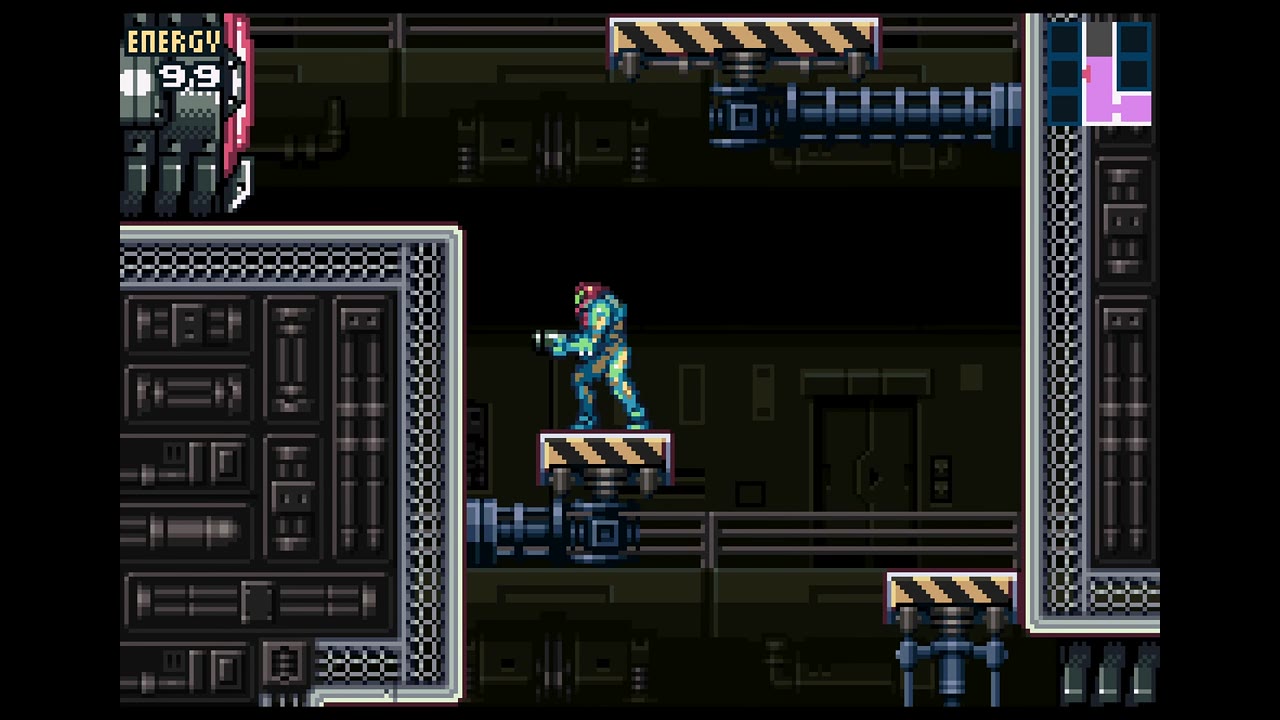
Like the Metroid games that came before it, Metroid Fusion is an action platformer with an emphasis on exploration of the BSL Research Station. Because Fusion is set on a station instead of a planet, it is immediately set apart from its predecessors in both looks and how exploration is done. The BSL Station is divided into multiple parts with a main deck and six research decks. Each research deck has a different environment that makes exploring them a unique experience. A few additional areas not considered part of the main deck are also explored at various points of a playthrough. Each area contains a Navigation Room where Samus will get a mission briefing from her ship's computer. The first briefing in each area begins with a map download so you don’t have to search out a specific map room like Super Metroid. The briefing ends with a waypoint that players are expected to reach to finish certain objectives, such as finding a new ability or dealing with one of the game's multiple bosses. Upon completion of the objective, players can either explore more of their surroundings or return to the navigation rooms to get another briefing.
While getting an area map right as you start seems too easy at first, Metroid Fusion has numerous paths that aren’t included in the initial scans. These secret paths are key elements of play and are often required to make it to the next area of interest. Accessing these paths usually requires some sort of powerup, but some are simply hidden within walls you can pass through, requiring a keen eye to find. In my recent review playthrough, I got stumped by one such path for over 10 minutes. Metroid Fusion lets players know what ability is needed to access different hidden paths with an ability symbol printed on breakable terrain. You can easily reveal these blocks with bombs, but later in the game, Power Bombs can be used to more quickly reveal secret paths in a room. In a departure from earlier games, you don’t need special weapons to unlock doors in Fusion. Doors are instead locked by different clearance levels. Security rooms hold the access keys, and you will find four throughout the playthrough.
Multiple routes will be blocked by higher clearance doors and won’t be accessible until later revisits in the game. There is a fair amount of backtracking in Metroid Fusion thanks to its overall smaller areas, but the game does a good job of making these revisits feel meaningful. Areas will introduce changes over a playthrough to showcase the spread of the X Parasite infestation. Certain enemies will also evolve throughout the game, which in itself blocks some paths until the evolution is complete. It is also worth noting that while doors may not require the use of special weapons to access, some paths will be blocked by X Parasites that need a special weapon to defeat. High heat, freezing, and water-filled rooms are also present to prevent premature navigation until the proper time. One way security gates are also present throughout the station. You will also find that while each area of the game is connected by the main elevator shaft, several hidden routes can take you to each area while you hunt for the game's various upgrades!
Because of the X Parasite infection, Samus starts the game with a basic loadout of only her main Beam Cannon. This makes initial exploration of the BSL Station feel more dangerous as a result, and I love the unease it provides! One of the main goals during the journey of Metroid Fusion is to help Samus recover from her attack and regain her lost abilities. To do this, you will need to find data rooms to download certain abilities like missiles. Other abilities are gained from defeating the game's bosses. Almost all previous abilities featured in the franchise make a reappearance, except for the Spider Ball and Grapple Shot. Both abilities are instead replaced by various ladders scattered throughout the BSL Station for Samus to climb on. Samus also gains the new ability to clamber on ledges, which further helps with traversal and lets you launch attacks.
Samus has many tools to help with exploring the BSL Station once acquired. The Morph Ball remains one of the most important tools of exploration, and combined with the new clamber ability, makes reaching higher tunnels much easier than in other games. Bombs are again useful for revealing hidden paths, and Fusion does a good job of pointing out where these paths are without being completely obvious. The High Jump Boots make a return and allow for more vertical exploration. This time around, though, the High Jump Boots are combined with the Jump Ball ability, so you can also jump in Morph Ball form. Since Wall Jumps and Bomb jumps are more demanding in this game, I appreciate the return of these abilities. Space Jump and Screw Attack also return to make you a master of the air! The Speed Booster also comes back and includes a new Diagonal Shinespark ability. Storing Shine Sparks and chaining them is also now possible with the use of diagonal terrain, allowing for some unique movement potential!
No Metroid game would be complete without a suit upgrade, so Metroid Fusion again includes the Varia and Gravity Suit upgrades. The Varia suit allows for Samus to withstand extreme temperatures, opening up several rooms as well as resisting the Blue X Parasites that evolved to exploit her weakness to cold. The Gravity Suit allows for unrestricted exploration of underwater or lava terrain and lets you use both Space Jump and Speed Booster Abilities as well. Both suits also come with damage reduction to help survivability against the X and their many forms.
Combat is well done in Fusion, with loads of enemies to dispatch in most rooms. Like Super Metroid, Samus’s Beams will stack as upgrades are acquired. The basic Beam is quickly powered up with the charge ability that gives it a wider attack range and the ability to unleash a powerful blast. One cool aspect of this first beam upgrade is that even if part of the shot is blocked by the terrain, it will split the shot, allowing you to still hit enemies. The Charge Beam also has an interesting secondary use of being used as a poor man’s Screw Attack. By charging the Beam and doing a spin jump into an enemy, it will unleash the charged shot. You can usually do this without taking damage, making it an effective way to quickly deal with enemies. The Wide Beam comes next, allowing for wider areas of attack. The Plasma Beam follows, and it is incredibly destructive with its piercing attacks. You get the Wave Beam last, which allows your shots to go through the terrain, which further opens more paths for exploration and damage dealing.
In a franchise first, Metroid Fusion also stacks Missile abilities like the Beam. Your original Missile attacks will be upgraded to Super Missiles to increase damage output. You then receive an Ice Missile upgrade that lets you freeze enemies. The explanation for this upgrade in-game is done well, as Samus is now weak to cold thanks to the Metroid DNA. The most interesting new Missile ability is the Diffusion Missiles. This upgrade works similarly to the Charge Beam, where it requires a charge-up to use. When fired, a whirlwind of ice emanates from the point of impact and freezes things within its range. While a bit underused throughout the game, it is still fun to mess with.
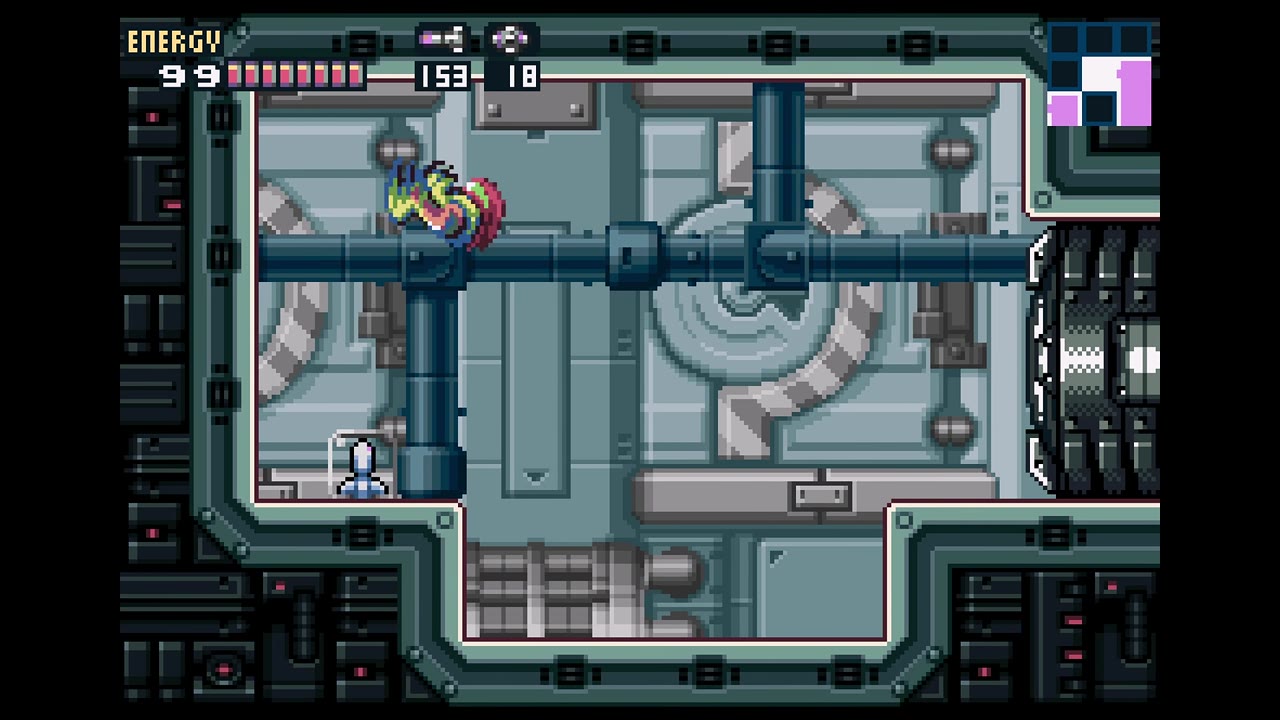
Bombs and Power Bombs remain seperate but Power Bombs do gain the added ability of sucking in X parasites when used, making them easier to collect. Missiles, Power Bombs, and life are all expandable by finding upgrade tanks throughout the BSL Station, and there are a ton available! The nicest aspect of Fusion's inventory system is that you don’t have to scroll through any weapons like you did in Super Metroid. Beam is your default attack with the B button, and by holding R, you instantly swap to Missiles. The same is true of Bombs while in Morph Ball form. The default is Bombs, and holding R activates the Power Bombs. By holding L you can easily diagonal aim up or down to better land shots on enemies from a stationary position. It makes the game feel incredibly streamlined, and similar setups are featured in Samus Returns and Metroid Dread as a result!
But as previously mentioned, almost every room in the BSL Station has a good number of enemies to deal with. The X Parasites mimic creatures they have previously infested, and this gives Metroid Fusion a good amount of enemy variety, both original and pulled from the previous three Metroid titles that preceded it. Each enemy has varying HP and resistances. Upon being defeated, the X Parasite is exposed and can be collected by Samus. Yellow regains health while Green restores Missile ammo. Some enemies and door guards will reveal a Red X Parasite, which replenishes a large amount of health and ammo and acts basically as a full heal in the early game. The later Blue X Parasites restore larger amounts of health compared to the Yellow. You always take more damage than you can easily recover if you are sloppy, so the recharge rooms found at the beginning of each area are also available if you get yourself into a low health and ammo situation.
Bosses likewise have a few X versions of prior series fights, but most are wholly original. Having not played the 3 previous Metroid games before beating Fusion the first time back in the 2000s, I didn’t realize the significance of some of the fights. Coming into the game now with that knowledge made the throwbacks that much cooler to go up against! Aracnus X is a great intro fight, but the poor guy doesn’t get to guard the spring ball this time around. The frozen body of Ridley crumbling to give way to Neo Ridley is haunting, and it is a rough fight. The final fight against the Omega Metroid is yet another wonderful callback to Metroid II! The original fights against Serris, Yakuza, and Nightmare are likewise challenging to varying degrees, but each can be overcome once you recognize their patterns. The rogue security bot and Nettori are the weaker inclusions, but can still be quite problematic. After defeating a boss, its large X Core will be revealed, and you will then do battle with it before finally absorbing it. Some boss fights are just against reinforced X Cores, adding further variety as they will typically use special abilities against you.
There is one boss in particular that overshadows the rest, however, the SA-X! The SA-X is an X parasite version of Samus with all of her abilities and Varia Suit. The SA-X is a constant threat you are aware of patrolling around the BSL Station, which adds a heightened sense of uneasiness to the game. You encounter the SA-X at various points of your journey, and while you can remain hidden from it most of the time, there are a few times you will have to actively flee and find cover until it leaves the room. While not as intense as the EMMI escapes in Metroid Dread, you can see that early DNA here with the SA-X. The SA-X deals an incredible amount of damage to you if hit, so you may find yourself replaying the escape sequence a few times if not careful. Finally getting to take the thing down in one of the last boss fights of the game gives me such an incredible sense of relief I didn’t know I was holding on to! The final escape sequence is much easier than other games in the franchise, but still provides the right amount of stress.
Audio
Metroid Fusion has a practically flawless audio presentation! Sound effects are crisp and sound fantastic for shots, missiles, bombs, and enemy cries. The environmental ambiance is on point, and music adds to the whole experience. The only downside comes from the GBA’s less-than-stellar sound output capabilities. Listening to it from the console speaker doesn’t sound the best, but thankfully, headphones make the experience better as a whole. You also get a stereo presentation that sounds excellent.
Visuals
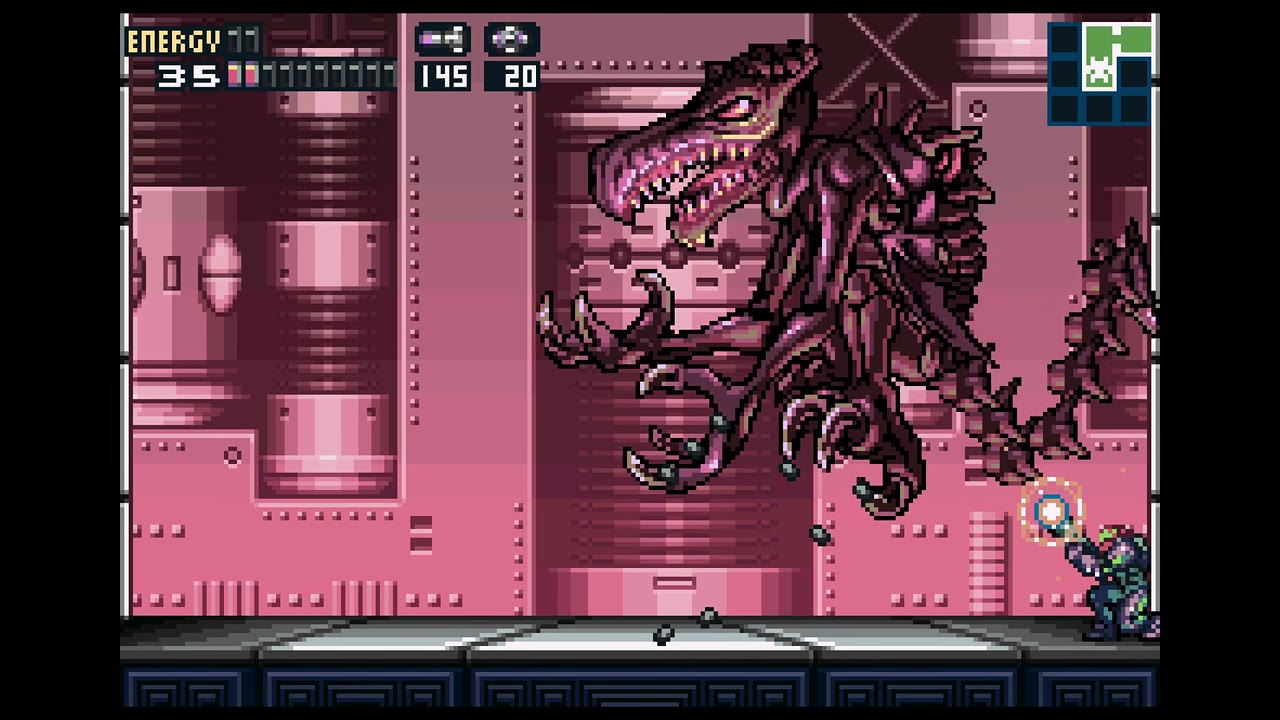
Metroid Fusion feels different from prior Metroid titles, and I enjoy it. Samus’ Fusion suit, while not as iconic as the original, looks cool in its Original and Gravity variations. Sorry Varia, but you look nasty, almost like someone threw up on the screen… Enemies look good with varying sizes and loads of detail. Environments are varied thanks to the six different research areas, and both foreground and background are well visualized. Animations look great overall, and the added expressiveness in some fights brings the experience up a notch! Some backgrounds even contain extra animations to further bring the game to life. Best of all, the game looks good across the various GBA screens from the original to the SP, and even bigger displays with the Game Boy Player let the game shine! Text size also manages to find a good balance for readability on both small and large screens.
What It Could Have Done Better
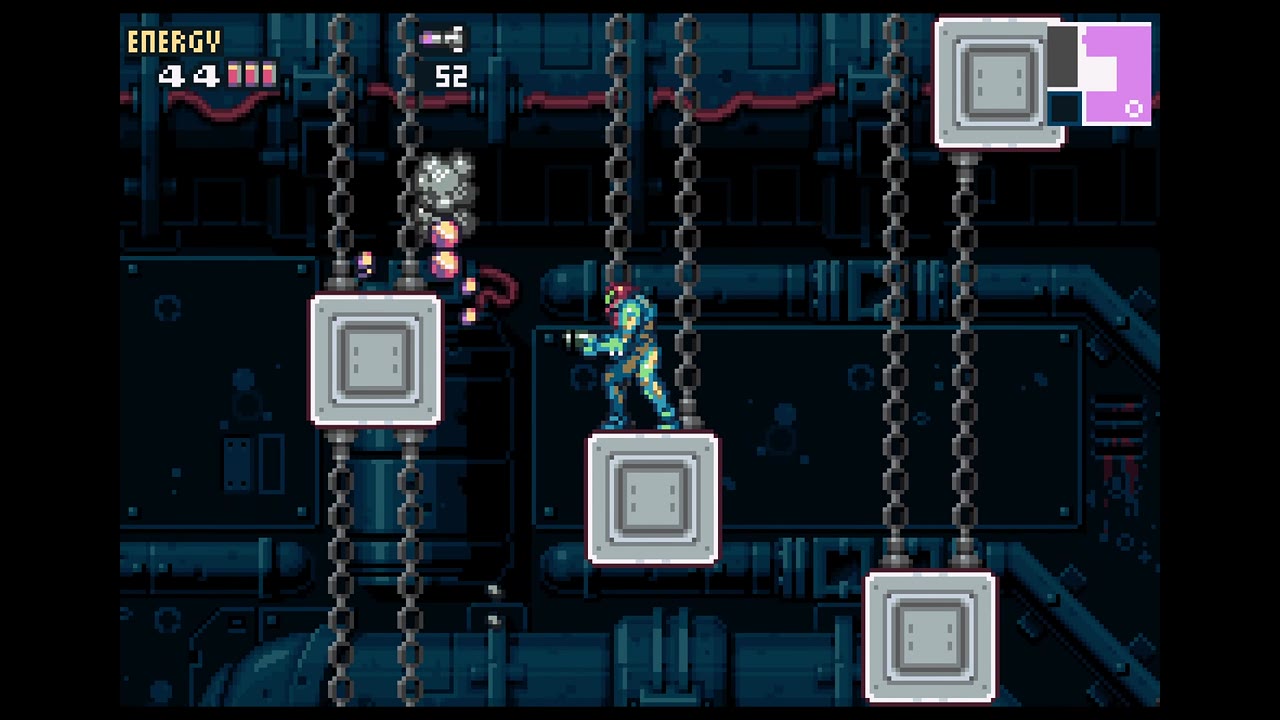
While I love Metroid Fusion, it isn’t without faults. The game can feel quite inconsistent with its difficulty, the entire time you play it. Some areas are easy, some are hard. You backtrack often in the game and have to deal with the shift all the time. While the bosses are cool, as a whole, they can almost all be cheesed in one way or another to eliminate their difficulty. The smaller area maps also make exploring the game take far less time than other games in the franchise. The added inclusion of waypoints also reduces the amount of time you will be lost. I haven’t beaten the game in at least 15 years, and this review playthrough only took me 3:27. The constant briefing will be hit and miss depending on your tolerance for story exposition. On a nitpicky level, I wish that the Spring Ball and Spazer naming conventions had been retained from past games. I also just recently learned that there is loads of content cut from the North American release of the game that was in the Japanese version. Stupid localization issues of the era…
Replayability
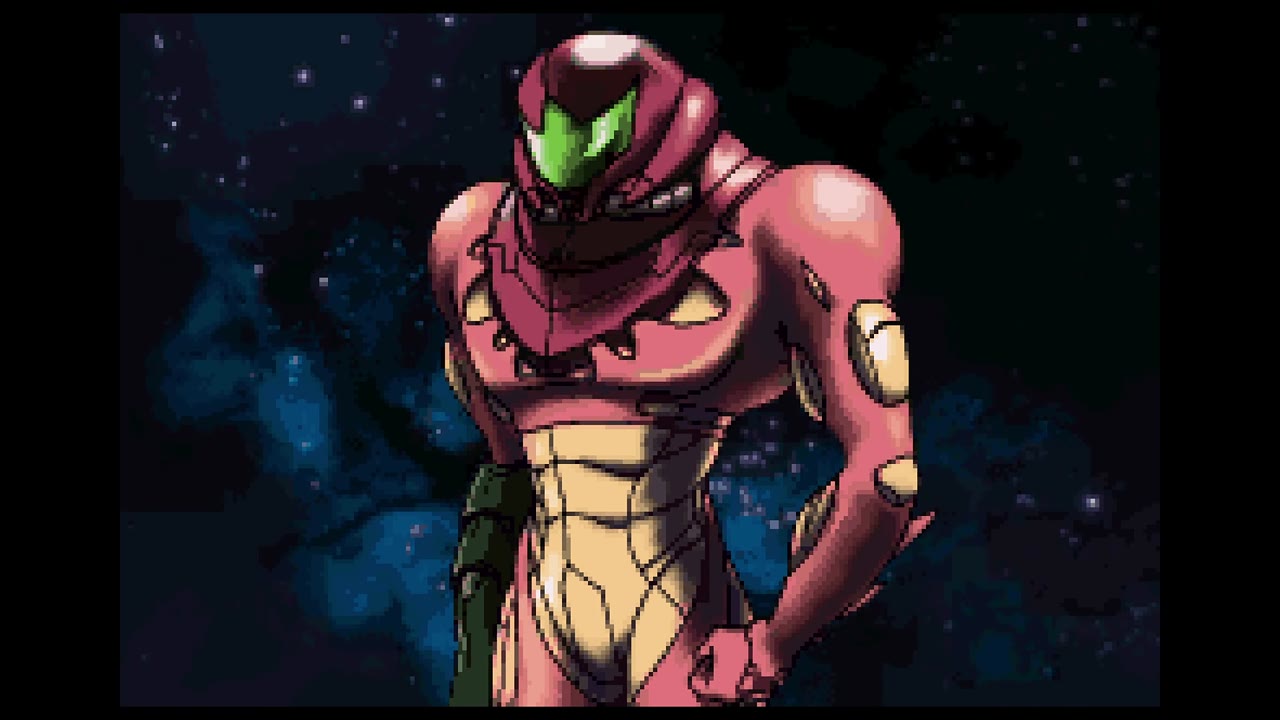
While Fusion is a fantastic title, it doesn’t offer players many reasons to revisit it upon completion, other than to relive its story and experience. Like other Metroid games, completing it under certain time requirements and collecting all of the upgrades will be the main draw for completionists. There is, however, some hidden dialogue that can be unlocked by an insane shine spark sequence that I will likely never achieve myself.
Other Versions
Metroid Fusion has been lucky enough to be available on every generation of Nintendo hardware since its original GBA release. The original cart remained playable on the original DS and DS Lite. Early 3DS adopters got a digital version of the game as part of the ambassador program. The first official rerelease came on the Wii U Virtual Console, and as of making this video, the game is available on the Nintendo Switch Online GBA app for modern players to enjoy!
Verdict
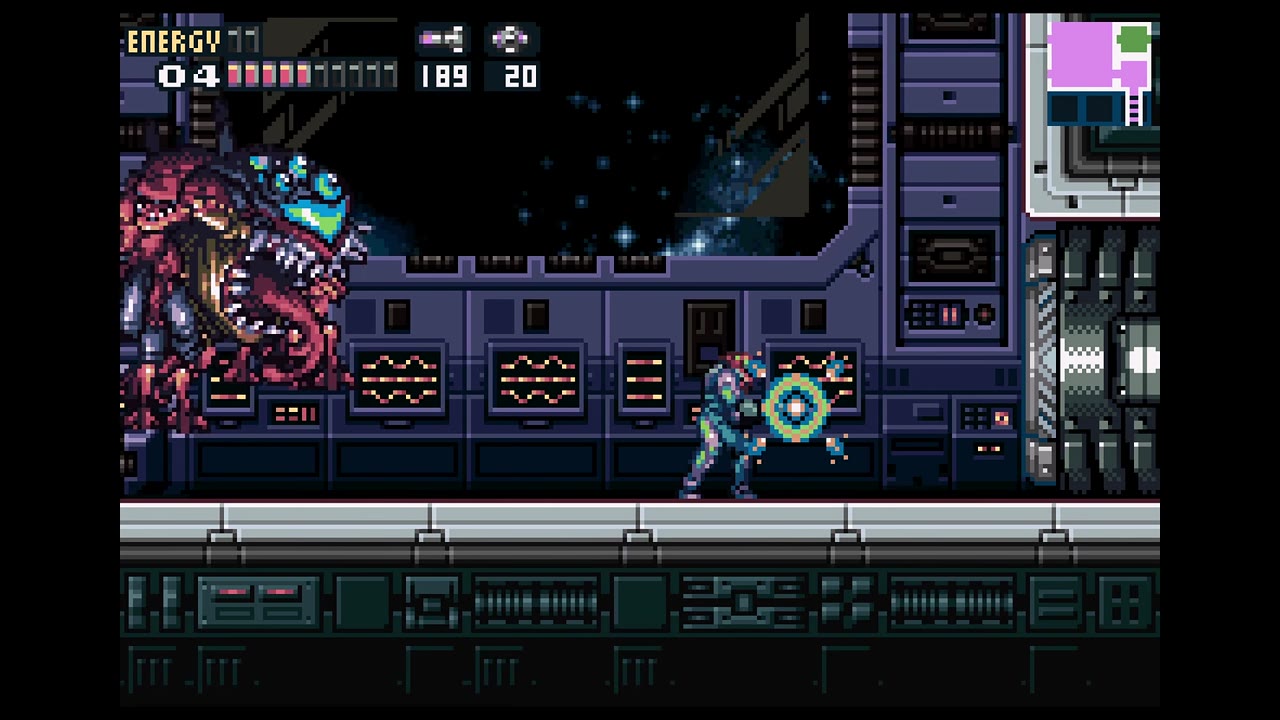
I love Metroid Fusion, and it was a great entry point into the franchise for me. Nostalgia aside, Fusion remains a solid entry with a great focus on story and streamlined controls over its predecessors. While it may be easier and shorter than others in the franchise, the entirety of its run time is well-built and fun overall. Briefings and waypoints might be annoying to some, but their inclusion never ruins any aspect of the game to me. Instead, it is the inconsistency in difficulty that troubled me the most during this last playthrough. Even still, it wasn’t enough to take away from the fun of revisiting the game. If you have yet to try Metroid Fusion, you should do so today!