When Metroid Fusion was released in 2002, I became obsessed with the Metroid franchise. As a result, I had to immediately get my hands on a copy of Metroid Prime for the Nintendo GameCube. Being a “first-person adventure” title, I was very excited for the journey Prime would take me on, as first-person shooters were and remain some of my favorite games since GoldenEye. Despite loving the game, it would take me years to finally finish it. I would even jump back and forth between Prime 1 and 2 at one point in the journey. But victory did come, and I have revisited the desolate halls of Tallon IV many times since, and each time I am reminded how Metroid had a luckier transition to 3D than many classic franchises.
Score 9 / 10 · skip to the summary ↓
This post contains affiliate links. As an Amazon Associate I earn from qualifying purchases. Other store links may also earn me a commission at no extra cost to you.
Story
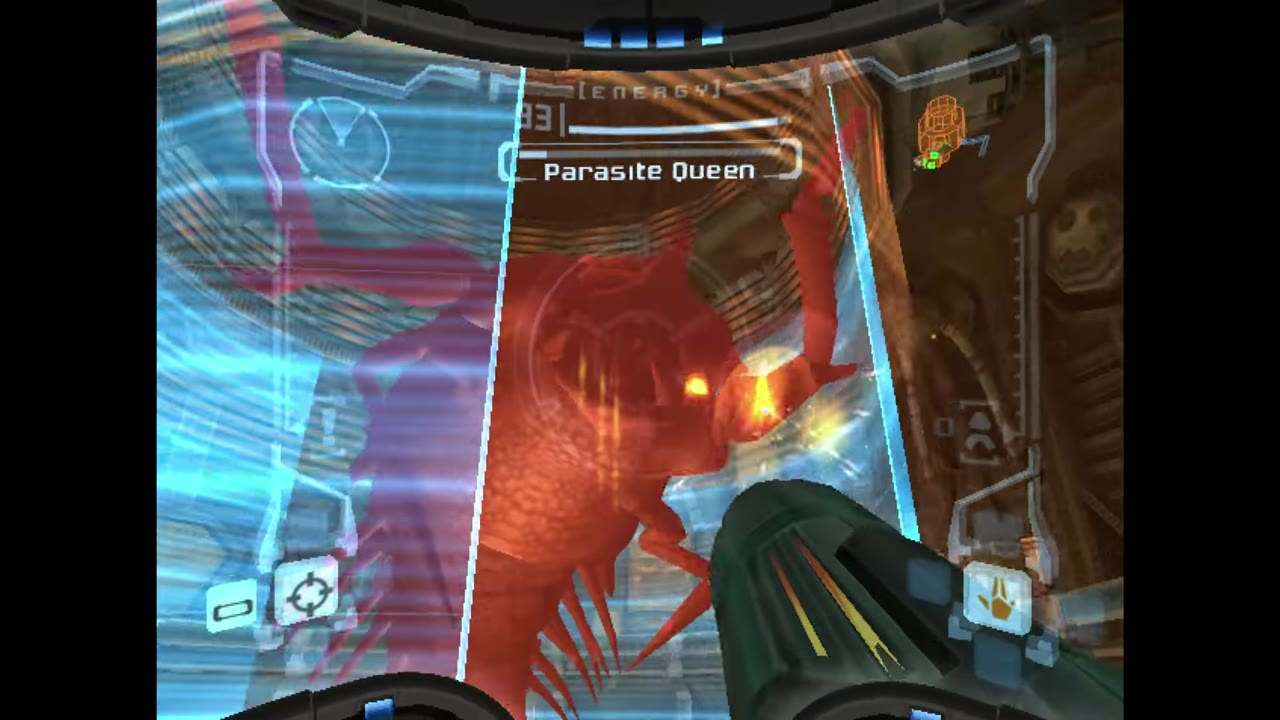
Some time has passed since Samus defeated the Space Pirates at their home base on the planet Zebes. While patrolling the region, Samus picks up a distress signal from a Pirate frigate and proceeds to investigate. After gaining access to the frigate, Samus discovers that the crew has been decimated by creatures on board the ship that broke free of their cages. After dispatching a huge parasite queen, it destroys the frigate's reactor, requiring Samus to evacuate. During her escape, Samus encounters a healing Ridley who flees the station. Just before making it out of the station, Samus is hit by an explosion that damages her suit and removes her abilities. Despite this, she chases after Ridley to the surface of Tallon IV and discovers a Space Pirate plot more dangerous than she could have known.
Metroid Prime contains a great story within its play time, but it isn't presented to players in a traditional manner. While you get a brief opening and occasional cutscenes to hype up events in the game, most of the actual plot comes from using the scan visor. Scattered around Tallon IV are several terminals and runes that share perspective on what has occurred on the planet from the viewpoints of both the Chozo, who once occupied Tallon IV, and the Space Pirates, who are there to mine the dangerous Phazon that wiped out the Chozo. Metroid Prime was the first time in-game that the Chozo culture had been explored in depth, and the lore passages tell a sad tale. The Space Pirates' entries, by comparison, shed light on their plans for using Phazon, providing ample motivation to stop them.
Unfortunately, because of the way these story details are presented, they are completely missable. This has always felt like the biggest omission of the game, that it would let players miss so many important details. At the same time, if you go in just thinking you are stopping Space Pirates, you can construct some logical conclusions from the encounters and environments as you play. This makes a no scan journey of Prime feel more like the Metroid experience set up by the franchise up to that point. Learning about the Chozo and the prophecy of Samus' arrival remains a favorite of mine throughout the entire franchise, so it is worth seeking out!
Gameplay
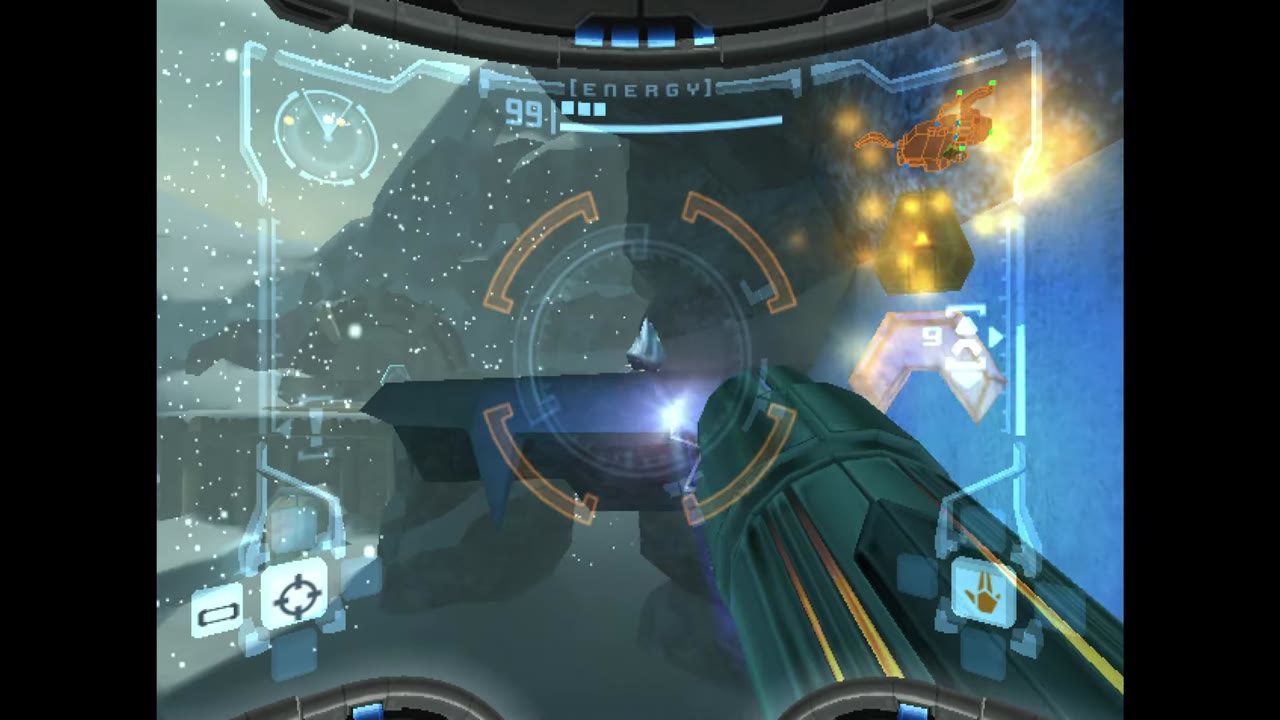
Metroid Prime stands apart from every Metroid title that precedes it thanks to its first-person perspective. That being said, it retains the Metroid DNA that makes these titles special. Exploration is a key element of the game, and Tallon IV offers many unique areas to visit with varying sizes and complexity. The Tallon Overworld is where your journey in Prime truly begins, and you quickly advance from its stormy surface into the Chozo Ruins. Elevators connect the different areas and become essential for finding alternate routes to objectives as the game progresses. After completing a few objectives in the ruins, you proceed to the fiery depths of the Magmoor Caverns. This is the least interesting area of the game as it offers little in puzzling exploration and serves more as a transport hub between the Tallon Overworld or Chozo Ruins and the snowscapes of the Phendrana Drifts. The last main area of exploration lies within the dangerous Phazon Mines. You will find yourself traveling between each area many times throughout a playthrough as you hunt for upgrades and the game's Chozo Artifacts to unlock the last area where you take on the final boss.
The prologue on the frigate Orpheon serves as a tutorial to ease players into the game and teach them how many of Samus' abilities work. I always liked how Prime explains why Samus loses her abilities, so the main gameplay loop of finding upgrades can feel more logical. Controls for the original GameCube release are interesting but easy to grasp after a few minutes of play. Movement is handled by the Left Stick, and it uses a legacy mapping of forward/backward and turning. By holding the Left Trigger, you can strafe. The Left Trigger also serves as a lock-on button. The Right Trigger activates a free aiming mode. A is assigned to shooting while B handles jumping. Y fires missiles, and X transforms you into the iconic Morph Ball. The C Stick is used to quickly swap between the game's four Beam weapons. The D-pad swaps between the game's four visors. Finally, Z brings up a larger in-game map while Start brings up a traditional pause screen where you can check your status and change options.
While archaic by today's and even then post-Halo standards, this single stick layout has always worked for Prime thanks to its exploration focus. Combat, making use of lock-on capabilities, ensures it doesn't suffer from the lack of dual analog controls. As a result, the only real limitation from the controls I feel while playing is having to stop moving to look around an area with R. While you can hold L after moving your viewpoint to lock it in, it is a bit cumbersome. Of course, the later rerelease of Prime on the Wii implemented motion aiming that gives the game a more traditional feel to bypass this limitation. The 2023 remaster takes things a step further by offering dual analog support and motion aiming, further streamlining gameplay. The original GameCube controls are also available in this version for players to better choose a control scheme that suits them.
While exploring Tallon IV, Samus gets to make use of several different abilities from previous Metroid titles. The Morph Ball returns and has several instances of use for traversal and puzzle solving. Bombs are found later and can be used to destroy obstacles or power specific devices. Single Bomb Jumps are used regularly for traversal, but at times, in-game missile or life expansions will ask you to pull off a double Bomb Jump to claim them. A new Morph Ball power-up introduced in Prime is the Speed Ball. By holding B, you build a charge that launches you forward with faster speed upon release. There are a few half-pipe structures found in the game designed specifically for this ability. Prime also brings back Metroid II’s Spider Ball ability in a unique way. Rather than giving players the ability to climb on every surface, several magnetic tracks are present for players to traverse. At times, tracks can be broken up and require the use of Bomb Jumps to proceed. I have always enjoyed this as it makes use of more abilities. The Power Bomb is the last of the Morph Ball abilities, and unlike many Metroid titles, you get to enjoy it before the last 5% of the game! Power Bomb explosions are huge and great for taking out multiple enemies and dealing major damage to some bosses. They use ammo, but they are expandable with the typical hidden expansion tanks. The Spring Ball ability is absent from the original version of the game. The Wii and Remaster, however, do include the functionality, and it trivializes the double Bomb Jump segments as a result.
Additional movement tech is available as the game progresses, and players will eventually gain access to the Space Jump. The Space Jump acts as a double jump ability in Prime instead of the endless flight mode of prior entries. I wish it had been named the High Jump Boots, as it would have fit better with the role the ability plays. The Space Jump ability is also responsible for one of the worst instances of backtracking Prime has to offer. Sequence breaks are possible in Prime, so grabbing the Space Jump early can save you a considerable amount of time! Sadly, the Screw Attack is not included in Prime. One of the more interesting inclusions in Prime's movement tech is the Grapple Beam. Several grapple points are located around Tallon IV, and by looking at them and locking on, you will latch onto them. It is also possible to grapple between multiple points, which feels more intuitive than it looks.
The Varia Suit and Gravity Suit are present as expected in a Metroid title and bring with them the typical damage reduction and abilities to withstand heat and move freely in water. A new Phazon Suit is present, and it grants immunity to the poisonous substance found throughout the Phazon Mines, along with a 50% damage reduction. Samus' visor plays a critical role throughout Metroid Prime. The standard Combat Visor lets you see things normally and lock onto enemies for combat. The Scan Visor allows you to scan objects and enemies to learn more about them or unlock and activate things like elevators. As mentioned previously, the Scan Visor also grants access to the story content of the game. A Thermal Visor is made available about halfway through the game and is necessary for seeing in dark areas and locking on to hidden enemies. Several puzzles also make use of the Thermal Visor in combination with the Wave Beam. An X-ray Visor rounds out the visor selection, and while it isn't used as much as the thermal, it is essential to deal with later enemies and bosses who aren't visible in other spectrums. I have always found the fights where you need to swap between them as some of my favorite moments of the game!
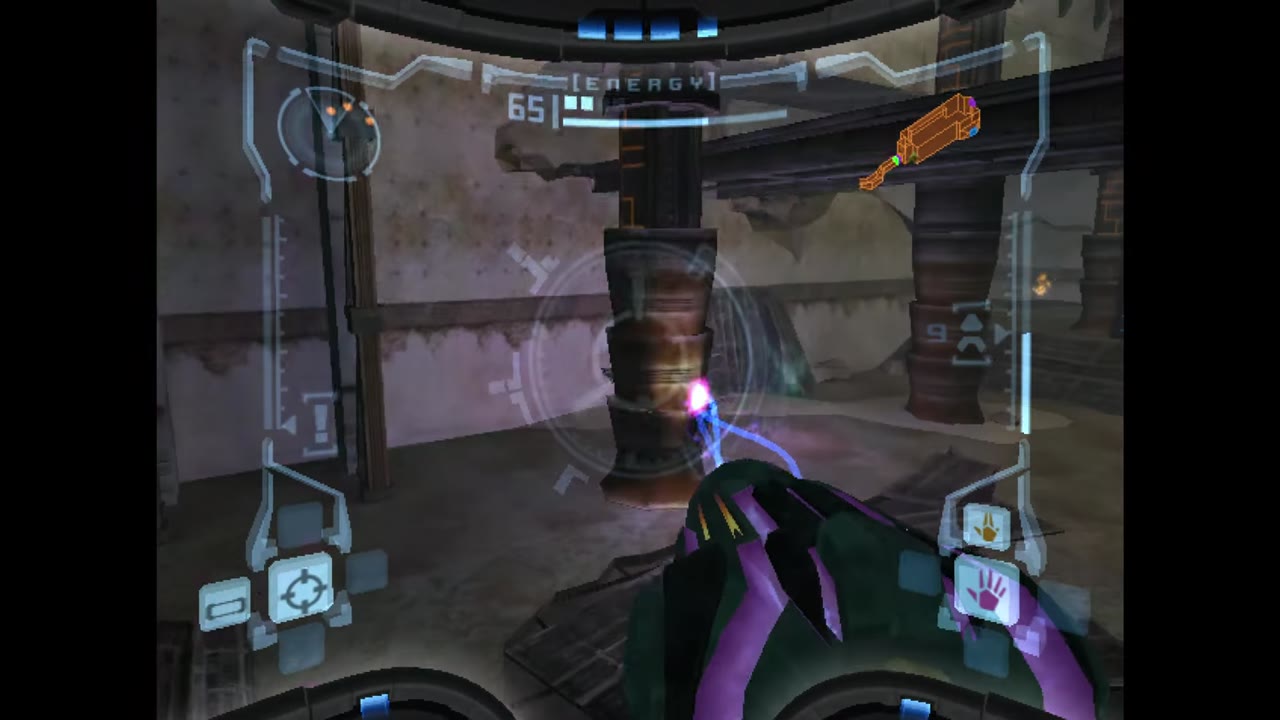
As for Samus' combat capabilities, locking on is the name of the game! Again, holding L when in range of an enemy will lock the camera on it for you to easily move and fire at will without having to worry about aim. While locked on, Samus can also activate a side dodge by two quick presses of the B button to avoid incoming attacks. By the end of the game, you can be a side-stepping, double-jumping dealer of death, and I find it incredibly fun! Beams don't stack like in other entries. Instead, each of the four beams remains individual and offers different strengths. The standard beam can fire rapidly and deals a moderate amount of damage. The Wave Beam acts as an electrical attack in this game and will stun enemies when charged. It is also used for solving power-based puzzles. The Ice Beam is the slowest in the game, but it can freeze enemies and certain hazards in place. The Plasma Beam is also slower than the standard beam, but it deals a good amount of damage and can melt ice. Each beam can be charged after acquiring the Change Beam powerup. Several doors around Tallon IV can only be opened by the various beam types. Later in the game, new Space Pirate enemies can also only be damaged by certain beam types based on their color. It's a bit goofy to clad them in their weakness color, but it adds variety to the combat loop and ensures each beam gets a chance to shine outside of being glorified keys.
Each beam also gets a cool secondary attack once discovered that combines it with Samus' missiles. By charging the beam and pressing Y, you launch the more powerful effect. The Standard Beam combo acts as Samus’s Super Missiles and comes at the cost of five regular missiles. The Wave Beam Combo becomes a flow of energy that constantly hits enemies and drains your missile count. The Ice Beam unleashes a homing blast that will freeze enemies caught in its path and keep them frozen longer than standard or charged shots at the cost of 10 missiles. Plasma Beam unleashes a flamethrower that eats through your missile supply while burning every enemy in sight. While using these abilities during normal exploration can be overkill, their usefulness in certain boss fights can’t be overstated! Utilizing the various Visors and Beam options is again one of my highlights as you proceed through the game.
Enemy variety is decent, and it is fun to see how many of them have transitioned to 3D. While most of the basic enemies pose no real threat to your exploration, the Space Pirates are a threat that needs to be taken seriously if you want to survive. The various types of Pirates help further diversify the enemy pool, and they are satisfying to bring down! The numerous types of Metroids littered around Tallon IV likewise shake things up in a meaningful way. Boss fights are the true highlight of the Prime battle system, and where you get to put everything you have learned to the test. I like the way each feels like a natural step up in difficulty from the previous one, culminating in the final confrontation with the Metroid Prime!
Audio
Metroid Prime has my favorite soundtrack from the entire franchise. Each song sounds amazing and truly sets the tone for each area you explore. The abandonment of the Chozo Ruins, the isolation of the Phendrana Drifts, and the unknown of the Tallon Overworld are perfectly encapsulated. Boss themes and encounters with Chozo Ghosts change the tune, and again, it all flows together perfectly. Pair this with fantastic sound effects for your beams, missiles, bombs, and suit, and you have a recipe that is just flawless. The enemy, environment, and other ambient noises just add further icing on the cake. Metroid Prime also makes use of surround sound in each of its iterations to make the experience that much more immersive.
Visuals
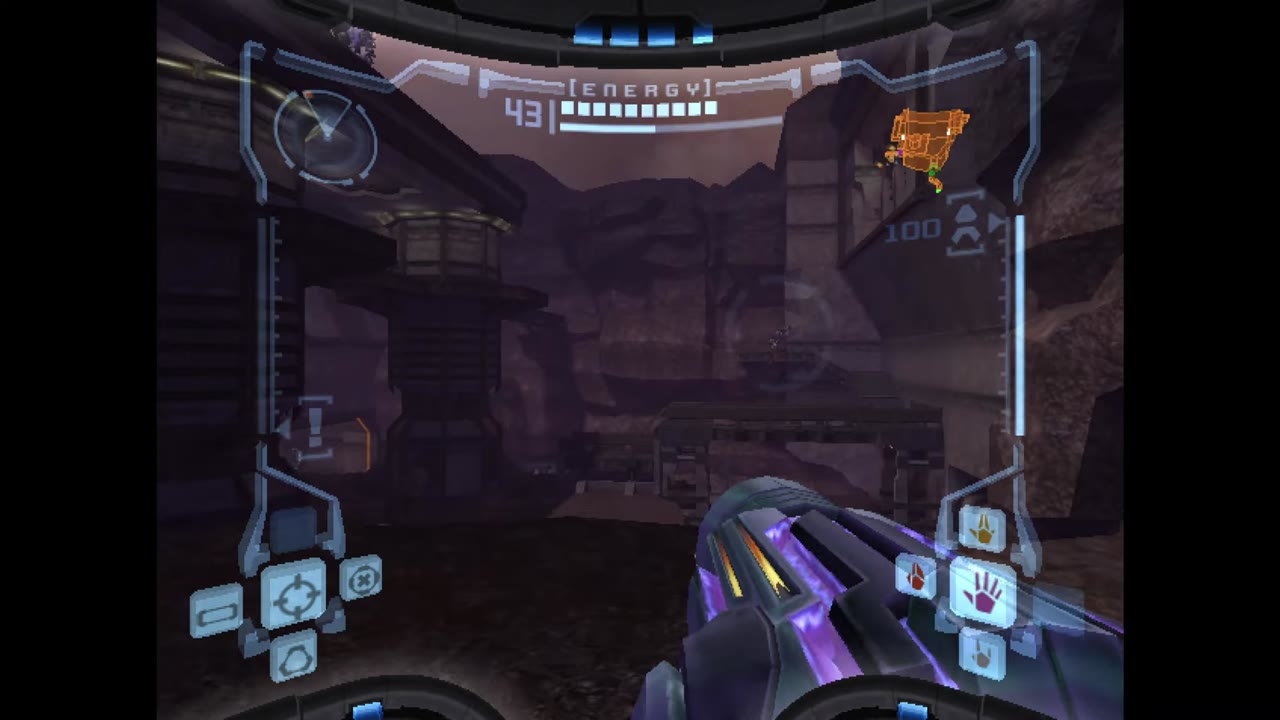
Metroid Prime is up there as one of the most visually impressive GameCube games ever released! Considering it launched within a year of the GameCube makes it even more impressive and speaks volumes to the time spent on it. Samus’ visor serves as your HUD, and it has every bit of information you could want on it, including health and missile totals. In each corner are your Beam and Viser selections, and it is easy to see what you have selected from this and the on-screen visuals. Each Beam gets a unique color and visual for Samus’ arm cannon, and there is a good amount of animation present for each. Each visor effect looks great, and I appreciate the unique layout each gets while in use. The temperature readings and toxicity readings are also cool additional touches.
Environments are well modeled and have loads of detail to them that hold up well today. Samus’ model and Morph Ball form likewise have great levels of detail and animations. The light trail of the Morph Ball is a really neat touch! Enemies likewise have great details and animations and fit naturally into each environment without feeling out of place. But it is the little things about Prime that I always notice when I dive back in. On the Tallon Overworld, raindrops fall and bounce off Samus’ arm cannon, and looking up will patter your visor with drops. Walking through steam will fog the visor, and exploding scarabs will likewise smear it. Certain attacks or explosions will cause a burst of light that can reveal Samus’ reflection in the visor. You feel like you are truly experiencing this world from the inside of the helmet, and it is pulled off so well!
What It Could Have Done Better
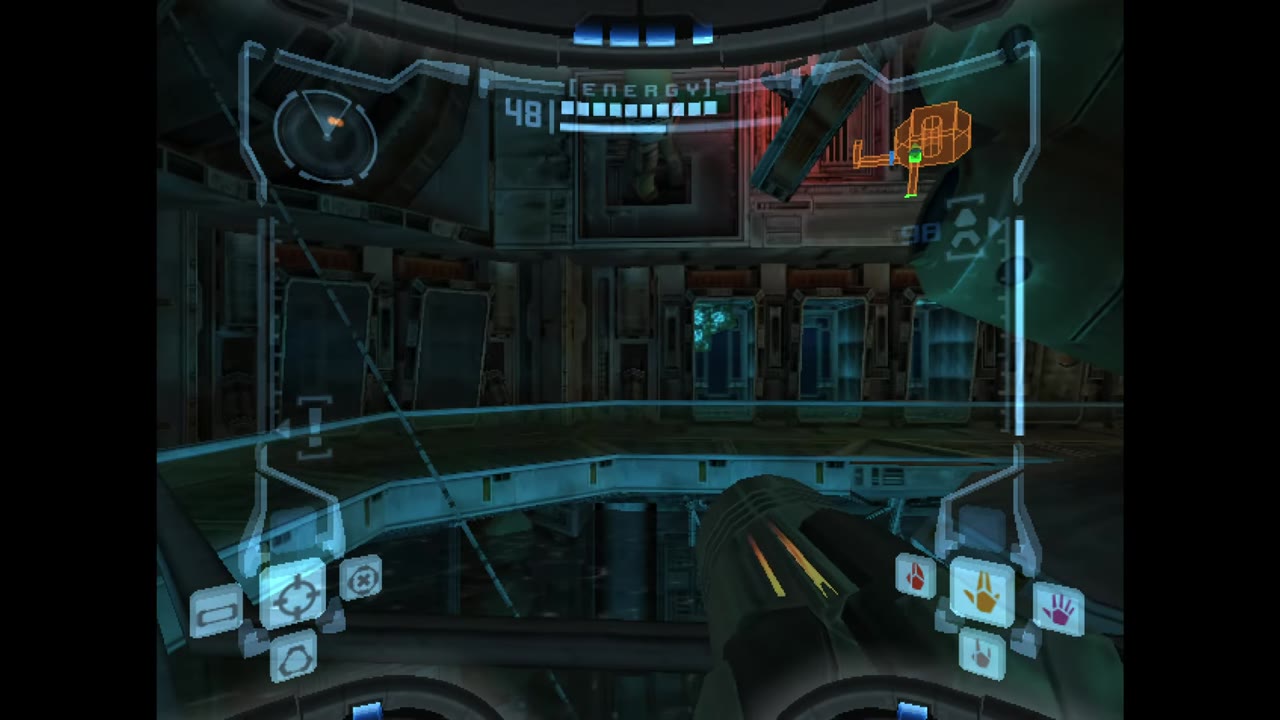
Metroid Prime is a perfect game and has nothing wrong with it, and if you disagree, you are just flat out wrong! Now, nostalgia aside, there are things about Prime that not everyone will enjoy. The first-person perspective might not be for everyone. If this is the case for you, you can skip right over the entire Prime saga as the viewpoint is integrated into the entire experience. The map layout is also not the best for the amount of backtracking the game can require. Having to constantly go through the Magmoor Caverns can get a bit old after a while, compared to the other areas of the game, as it is incredibly linear and contains little of use throughout the playthrough. The artifact hunt that makes up the game's final act can also be confusing, and it is what stalled me out when I first experienced the game back at its original release. Scanning the pillars in the artifact room can help immensely, but it still involves a considerable amount of backtracking for some of them. On a more nitpicky level, it is fairly easy to cheese many of the fights in the game either through door manipulation or fast missile spam. For anyone who dislikes waypoints, the game will offer you hints if you have been stuck for a while. These can be disabled in the options menu if desired.
Replayability
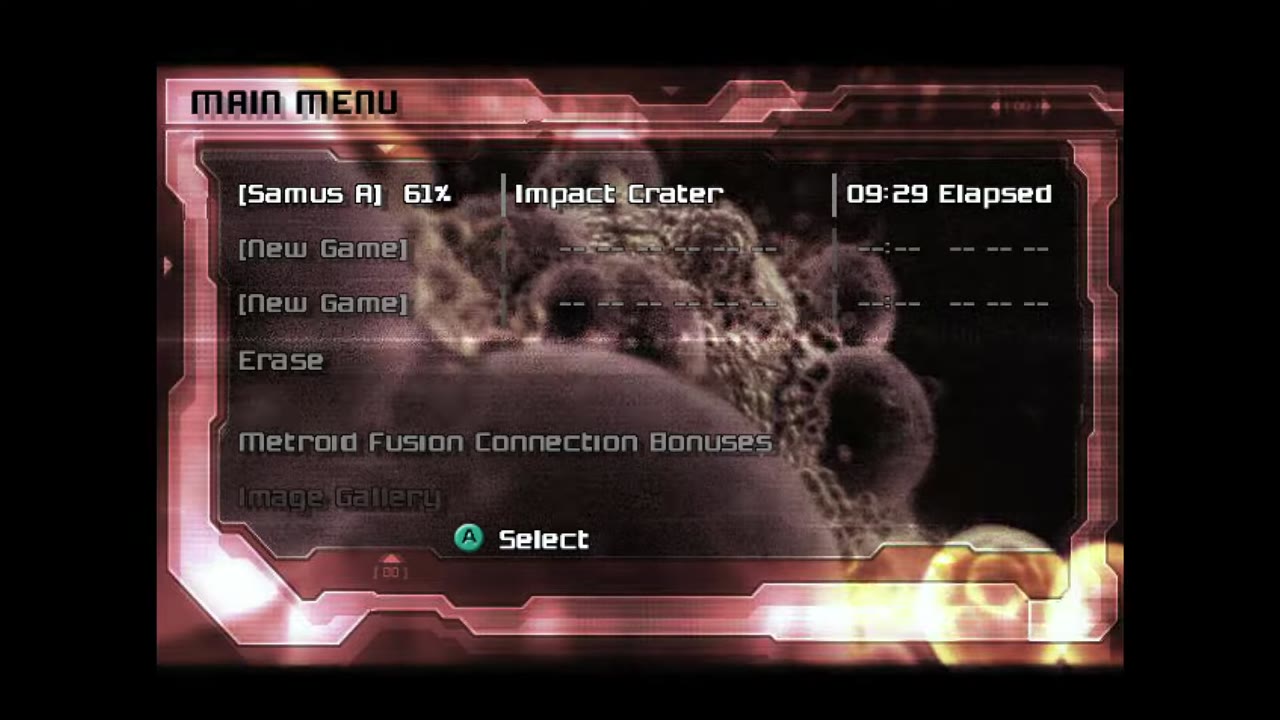
Metroid Prime has some decent replayability after your initial completion. Beating the game once unlocks a hard mode that amps up the difficulty by a decent amount. Endings are based on item collection, and you don’t get to see the true ending unless you collect everything. Galleries are unlocked by collecting and scanning and offer cool looks into the development of the game! If you have a copy of Metroid Fusion, you can link it up to the GameCube and play through the game as Fusion Suit Samus, as you have seen throughout this video. The original Metroid is also unlockable, and this is how I first completed it!
Other Versions
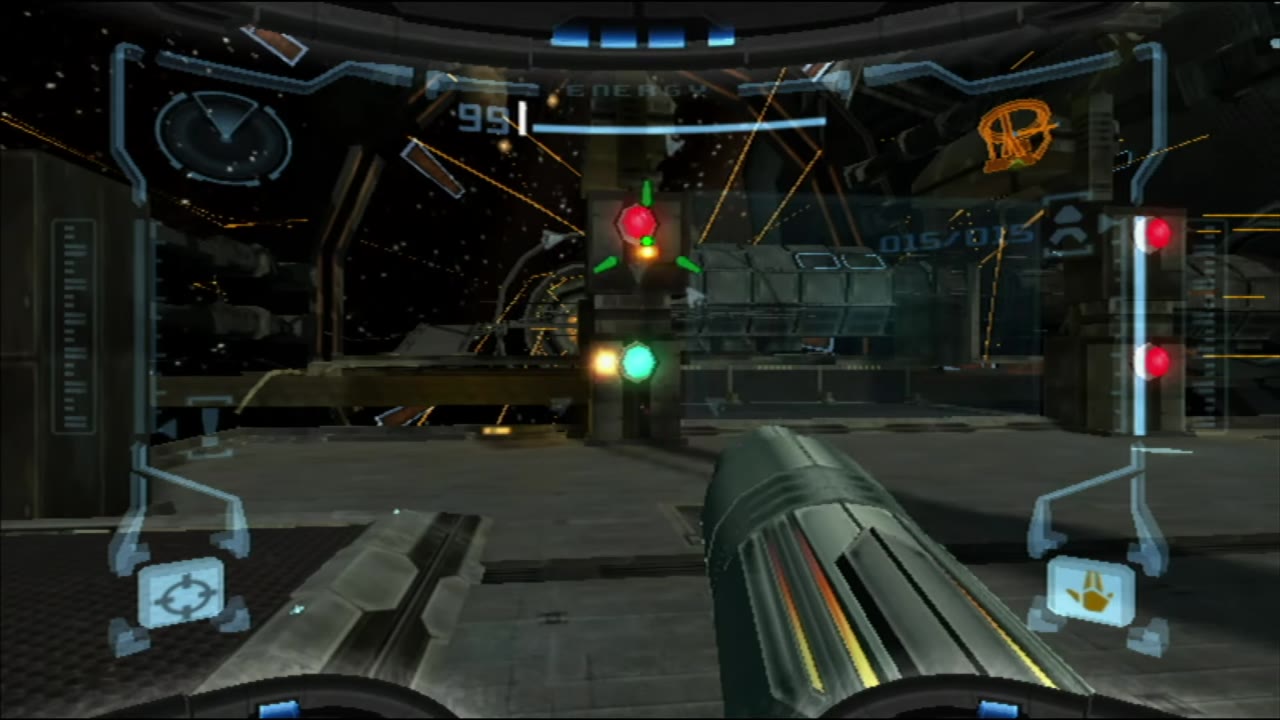
Metroid Prime has managed to be available on each Nintendo home console since its original GameCube release. In 2009, a compilation of all three available console Metroid Prime titles was released on the Nintendo Wii. This version of Metroid Prime added new motion controls and a 16:9 widescreen presentation. Several other alterations were made to the game, including adding an easier difficulty level and earning tokens for unlocking extra galleries or the Fusion Suit. Some graphical effects were removed, losing some of the cool touches of the original. In 2015, Nintendo released a digital version of the Metroid Prime Trilogy on the Wii U Virtual Console. Sadly, this version is no longer available for purchase after the Wii U eShop shut down. In 2023, Metroid Prime got a full remaster for the Nintendo Switch that gave the game a complete graphical overhaul. Several other adjustments to the in-game log have also been made to better line up with later Prime games. New control options are another big highlight. Unfortunately, adjustments were made to how the Charge beam works, making it slower to activate than other versions of the game, and the Fusion Suit has been removed.
Verdict
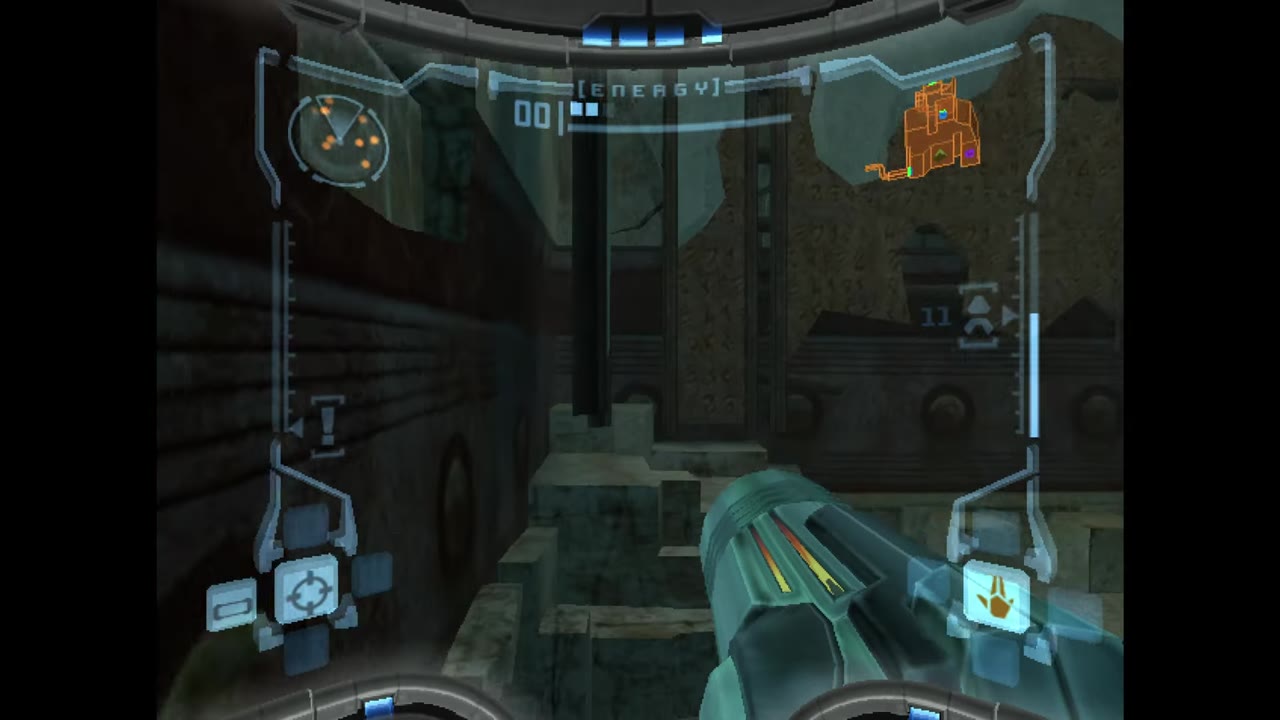
Metroid Prime remains an excellent game that is as fun to play today as it was back at release. Controls might be awkward at first for fans of traditional shooters, but they still hold up well enough thanks to the game’s design. Exploring Tallon IV is excellent, and it provides several unique areas. Backtracking can be obnoxious at times, but it never ruins the experience. Enemy encounters and the combat loop are fun. Bosses remain the true treat of combat, and the steps needed to be taken to bring each down are a highlight! Graphics and Audio are superb and still look great today on both the GameCube and Wii versions. The Remaster takes this even further with its visual overhauls. I firmly believe that Prime is one of the best games in the entire franchise, and if you have yet to try it, you should do so!

- What I liked
- ✓ Exploring Tallon IV is excellent
- ✓ Bosses are the true treat of combat
- ✓ Graphics and audio are superb
- ✓ Chozo lore is a franchise favorite
- ✓ Controls hold up well thanks to design
- What I didn't
- ✕ Story details are completely missable
- ✕ Magmoor Caverns is the least interesting area
- ✕ Backtracking can be obnoxious at times
- ✕ Many fights are easy to cheese
📖 More from Archades Games
 Retro Review: ZOIDS: BATTLE LEGENDS
 Metroid Prime 2 Overstays Its Welcome - Retro Review[Video] First Look At Retro-Bit's New GameCube Component Cables!
🛒 Gear in this post
Metroid Prime (GameCube)
🇯🇵 Import a Japanese copy with JPFans: MercariYahoo Auctions
GameCube
RetroTink 4K
This post contains affiliate links. As an Amazon Associate I earn from qualifying purchases. Other store links may also earn me a commission at no extra cost to you.