It has been 18 years since Metroid Prime 3 launched on the Nintendo Wii. Since then, we have only seen two 3D Metroid titles released: Metroid: Other M and Metroid Prime: Federation Force. Both were controversial releases and, for many, didn’t live up to the precedent set by the Prime trilogy. In 2017, we got the announcement that Metroid Prime 4 was in development at Bandai Namco Singapore. In 2019, it was revealed that development of the game was handed back to Retro Studios and was essentially restarted. Now, six years later, Metroid Prime 4: Beyond is finally here, and while it took the efforts of numerous studios to get here, it is a journey that feels like the next step onward from Metroid Prime 3. While it isn’t without flaws, I am beyond excited we have it at all!
Story
With the eradication of Phazon across the galaxy thanks to bounty Hunter Samus Aran, Space Pirate forces have redoubled their efforts into weaponizing Metroids to battle the Galactic Federation. Pirate forces have begun raiding Federation Facilities for anything that can help them with their task. An odd relic has been unearthed on the planet Tanamaar, which has become the next target of the Pirate raids. With the base under assault, the Federation hires Samus to come to their aid. While Samus helps turn the tide of the battle, she is confronted by a new Metroid-infused monstrosity of the Pirates' creation. Upon defeating the creature, she is assaulted by Sylux, an old nemesis who now leads the Pirate cause.
Sylux damages the artifact, causing it to activate and warp Samus to Viewros, where she is given a psychic crystal and a holo message from the last priest of the Lamorn race. The Lamorn have gone extinct and wish for the memory of their people to survive. To accomplish this, the Lamorn have cultivated a massive tree that contains the entire history of their people and constructed 5 teleportation keys that can warp Samus back home upon feeding the tree enough green energy to bear fruit. As Samus sets out on her journey to return to Federation space, she soon discovers she isn’t the only one who has been sent to Viewros, and the fall of the Lamorn is more tragic than she first understood.
Metroid Prime 4’s story is a decent one throughout, which continues the presentation style of Metroid Prime 3. While hunting in-game lore with your scan visor is still a key element to obtaining crucial backstory about the Lamorn, several cutscenes are presented to move the current plot forward. In a fun blend, the Lamorn have also scattered several holographic recordings around the world to further expand the game's lore. Environmental storytelling is still present, but it is toned down in comparison to past entries, following Prime 3’s example, as mentioned. Unfortunately, the ending doesn’t quite land for me, but the rest of the journey was fun to experience.
One of the more unique storytelling aspects of Prime 4 is the inclusion of other Galactic Federation soldiers who have been warped to Viewros along with Samus. Each has a unique personality, and I have enjoyed them as a whole, even with the occasional cheesy moment. The downside is that they make Samus look like a shy shut-in. For whatever reason, Samus remains a complete mute even when directly addressed by the other characters.
If there had been some sort of lore reason given for the silence, I could have been fine with it, but as it stands, Samus just stands there like a brick wall while other characters pretend like she is actually having a conversation with them. The explanation of their mission on Viewros to Private Armstrong is a particular highlight of how dumb this approach was to me. If Retro was worried about Samus' talking ruining her character, they failed spectacularly, as the giant nonverbal tree trunk was not a good way to go. The game’s ending also did more harm to Samus’ image to me than Other M ever could have dreamed of.
Gameplay
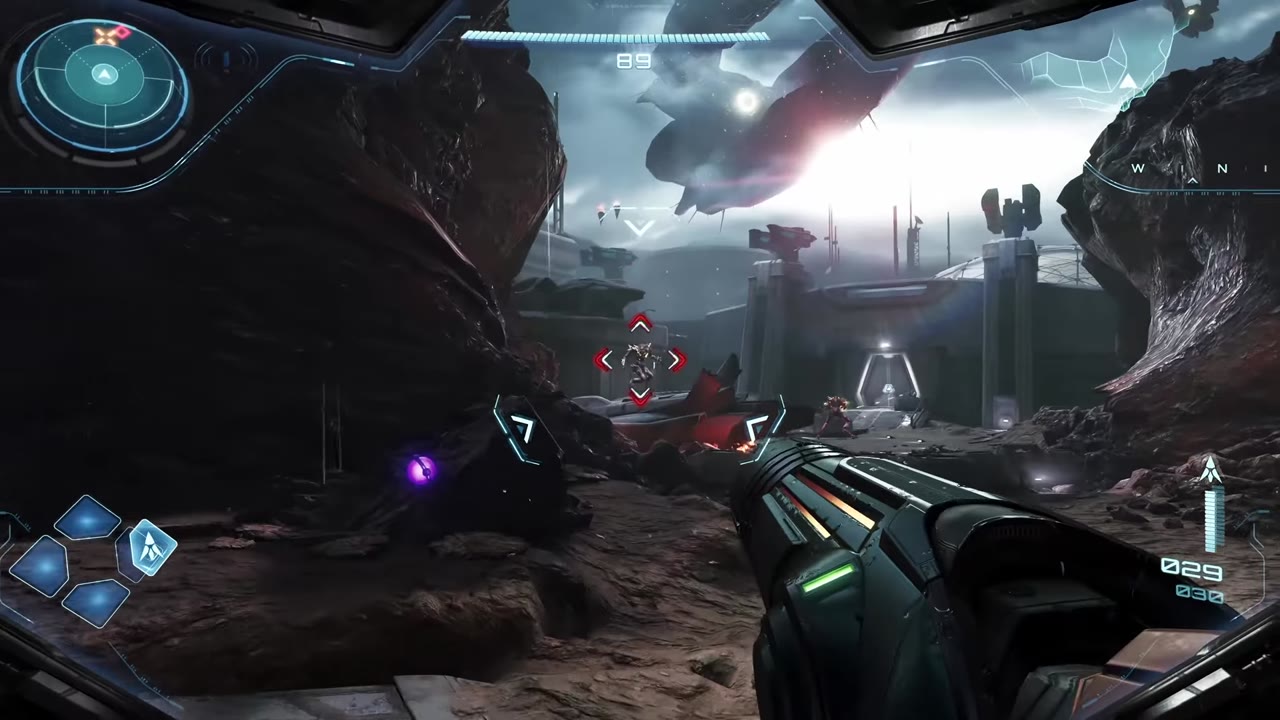
While the story doesn’t reach quite as high overall as I would have liked, the gameplay of Prime 4 was a superb experience. Samus once again starts with a typical Varia suit layout for the game's prologue before the teleportation to Viewros takes away most of her abilities. With only the charge beam to work with, you must explore Viewros to recover the teleportation keys and green crystals needed to complete the game. As you explore, you unlock the Morph Ball and its signature bombs and Power Bombs. I appreciate that Spring Ball has been included, as it again makes exploring tunnels quicker than typical bomb jumps, which you will still use to get items. Spider Ball and Boost Ball round out the Morph Ball powers. New weapon types that take on elemental forms are also available. The Grapple Lasso from Prime 3 makes a return, along with the traditional Grapple beam. Space Jump returns, granting double jump capabilities, but unfortunately, there is no form of the Screw attack in this game.
After arriving on Viewros, you are given a psychic crystal that grants your charge beam the ability to be remotely controlled. This is a neat addition to the game and one that is used frequently for various tasks. You activate this ability by going into the Scan Visor and charging a beam shot. The Scan Visor further acts as a psychic activation ability by locking onto required objects. The Scan Visor is the only other Visor type in this game, which I thought I would mind early on, but by the end of the journey, I didn’t mind the lack of Visor gimmicks.
Viewros is comprised of 5 main areas where you will search for the keys, with each being connected to a central hub known as Sol Valley. The game quickly tosses you into the first of these areas, where you will encounter Myles Mackenzie, a Federation engineer. After establishing a main base, Myles serves the purpose of creating Samus’ new beam weapons sourced from Lamorn tech. I like this touch as it gives a cool reason for how Lamorn tech can integrate into her suit since “most” other Metroid games utilize Chozo tech. Myles also acts as a hint system in the game to help players along their journey. Unfortunately, it activates a bit too often, and there is no toggle to disable them.
After leaving the Jungles of the first area, you are taken to the Volt Forge, which produces Vi-0-La motorcycles. This entire area was a particularly fun experience where you build a bike for Samus and then get it certified. The certification area is such an interesting tone shift from the rest of the Volt Forge, but I had fun with it. After acquiring Vi-0-La, you gain access to the new Vi-0-La suit, which you will spend the majority of the game with. Having just recently watched TRON for the first time with my kids, I have greatly enjoyed the inclusion of Vi-0-La. Ripping across Sol Valley on it, while not Metroidy, is a ton of fun to me, and I really lost myself zooming around to collect green crystals and upgrades. I am glad that Sol Valley isn’t particularly large, and that there aren’t a ton of things to do that take away from the other main areas. I do wish it had music that wasn’t tied to a $30 Amiibo or a rumored new game plus playthrough though…
I like how Prime 4’s areas feel like a throwback to Prime 1. Fury Green is similar to Tallon Overworld, Ice Belt is the Phendrana Drifts, Flare Pool is the Magmoore Caverns, and Volt Forge and Great Mines give off a Phazon mines aspect. Like other Prime games, the areas are fairly linear compared to 2D Metroid titles, so solving puzzles or clearing out enemies is the main way to progress through a room. You will revisit areas a couple of times to explore places you couldn’t access previously, but otherwise, the main reason to backtrack through them is to collect power-ups or scan things you may have missed previously. Power-ups consist of the usual missile, power bomb, and life expansions, but are joined by ammo and Vi-0-La boost expansions. Several secondary weapon power-ups are also littered around Sol Valley in small shrines. I have to admit that seeing secondary weapons using ammo again had me nervous at first, but unlike Prime 2, ammo never becomes a problem.
Adopting and refining the twin stick gameplay introduced in Metroid Prime: Remaster, Prime 4 controls beautifully with controllers. Movement and aiming are incredibly smooth, and the series' signature lock-on mechanic is here for quick dispatching of enemies. A nice addition to the lock-on mechanic for Prime 4 is being able to free aim while locked on to an enemy, making it feel more in line with the Wii iterations of the Prime trilogy. By giving your controller a shake, you can activate motion aiming to line up shots, which further brings back the classic Prime 3 feel. If desired, you can activate complete motion control for free looking and aiming as you explore, but I am not a fan of this control style.
On Switch 2, the new Joy-Con 2 mouse functionality can also be used to control your aiming. It responds well and is a cool inclusion to make the game feel more precise! The only downside to this control method is the physical shape and button placement of the Joy-Con 2 itself. It is very uncomfortable to use for long periods of time. Since the game still requires the use of the face buttons while using it in mouse mode, I was never able to find a solution that worked. I am sure some 3D printed grips that exist out there could solve all these issues, and I am definitely going to be looking into them. Rumble effects with either Joy-Con or Pro controllers are fantastic, with several surfaces across the game having a different feel while traversing them with Morphball. Third-party options lacking HD rumble lose the subtleties of this presentation but still feel good overall.
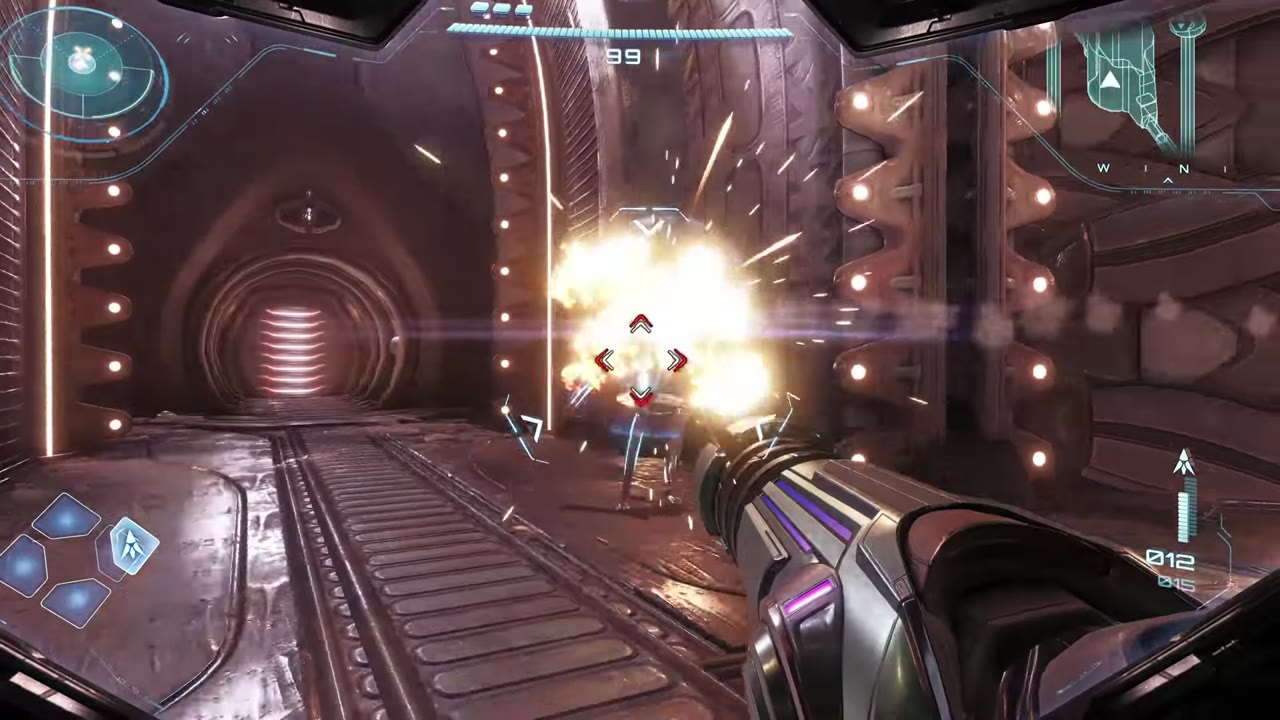
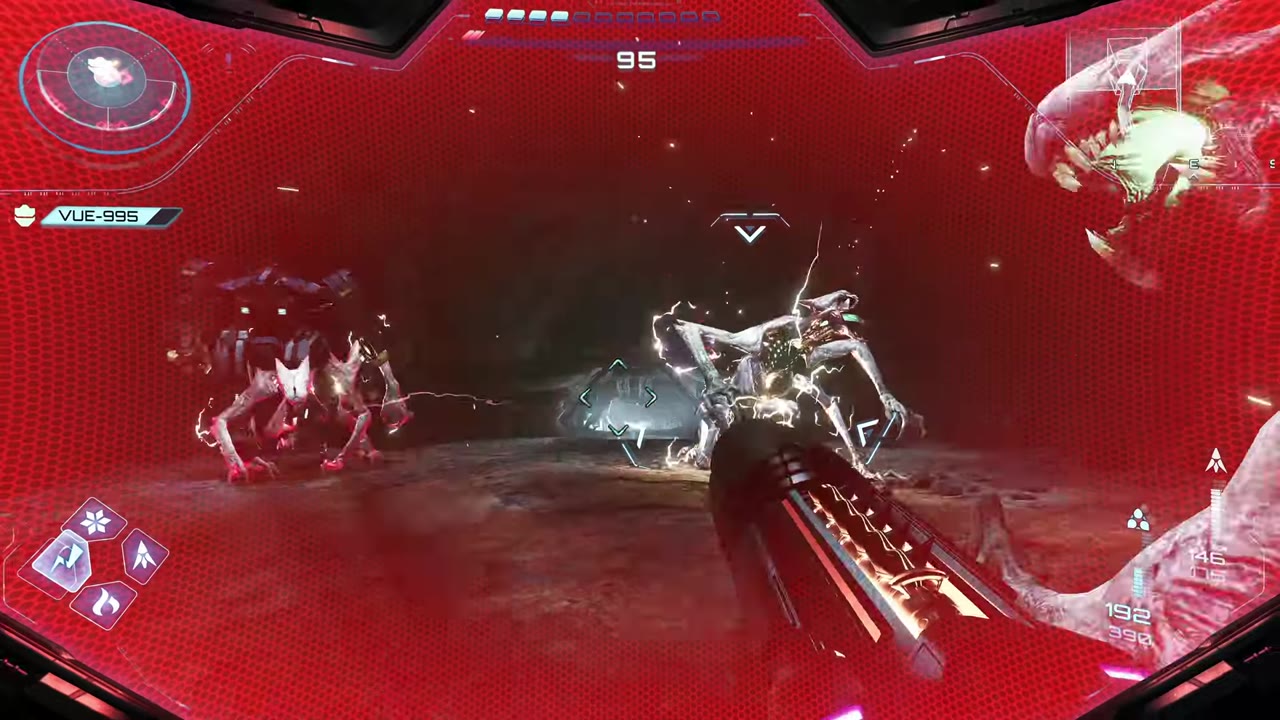
Getting back to combat aspects of the game, one of my favorite things about Prime 4 is that enemy encounters aren’t massive bullet sponges on the Normal difficulty. Practically every encounter has you bringing down enemies with a reasonable number of shots to keep things quick-paced. As you progress, enemies get stronger, and you unlock better weapons to keep this pace alive. My only complaint with the combat loop is the lack of enemy variety. You have an assortment of local wildlife to deal with that repeat across the world in one form or another, and then you have the Grievers that fill in for the Space Pirate forces from past games. Griever variety is severely lacking, with only four distinct varieties showing up throughout the game. While there are multiple colors of the standard melee Griever, they all behave the same. The bigger Brutes are fun to deal with, while the Left 4 Dead-style witch variant can call in more reinforcements while exploring the mines segment of the game. Numerous Psy-Bots are also found in many areas of the game. Psy-bots hit hard and can take out your health quickly if you aren’t careful. Sadly, they are also lacking in overall variety.
At times, you will have one or more companions to help with combat or to provide them with defense. You have no direct control over your companions, but they do a decent job of providing damage to your targets. They each have a health bar, and they can be taken down if they sustain enough damage. Thankfully, the process of picking them up isn’t overly long or complicated, again keeping the game pace more lively. These sequences are a departure from past games in the franchise, but I haven’t minded them as they have all been relatively short. The full-on assault of the mines, which takes on a more typical first-person Shooter vibe like Prime Hunters, is the exception, but some story implications aside, I enjoyed this segment's take on mowing down waves of Grievers.
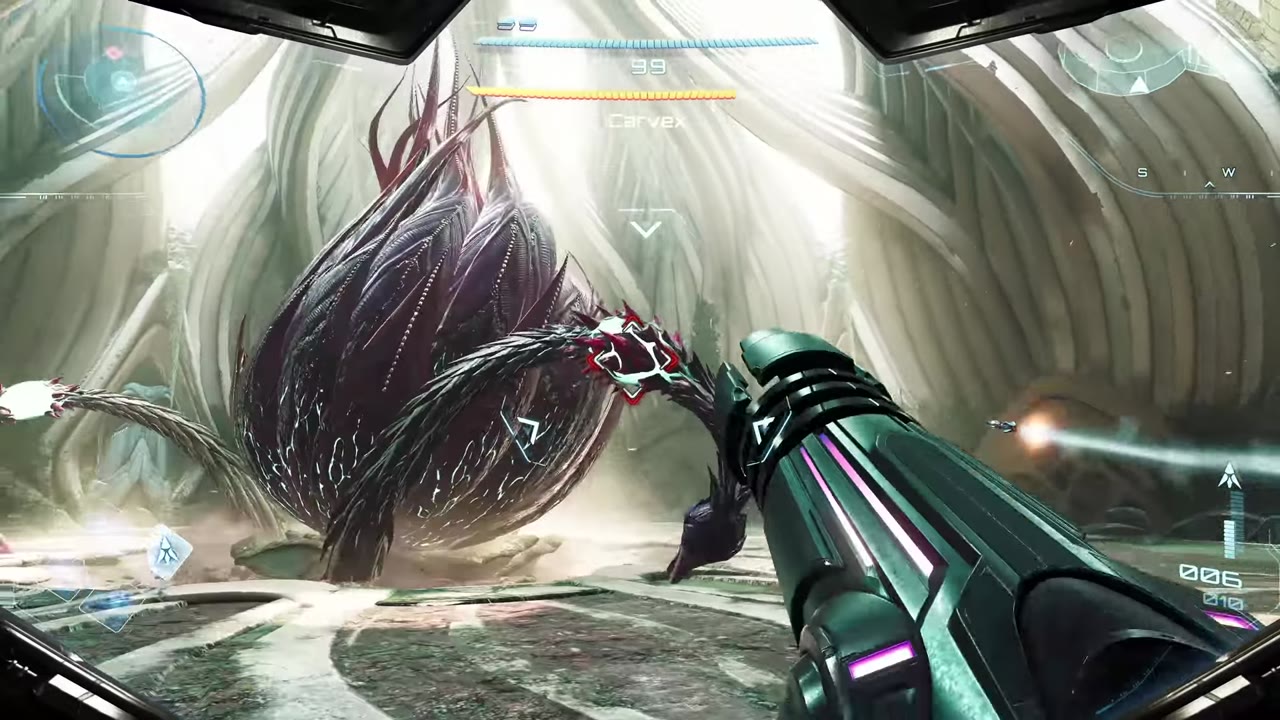
Boss fights are a key part of the experience, and almost all were a blast to work through. Unfortunately, many give off a samey feel after a while as they share similar attacks to others throughout the game. The prologue boss, for example, has similar attacks to the final boss. It isn’t a major deal breaker to me, but definitely noticeable. I also appreciate that several will make you utilize Samus’ abilities to succeed. The new Psychic mind control shot is very well used for both puzzles and boss fights alike. I don’t know what it was about this ability that made me keep forgetting it existed during boss fights, despite using it all the time otherwise. I will say that I am a bit disappointed by the weakness of missiles during them, as spamming your normal beam will typically produce more damage in the limited vulnerability phases. Vi-0-La is also utilized for two of the boss fights, which was my biggest wish upon its introduction. Unfortunately, the showdown in Sol Valley is one of the more underwhelming boss inclusions…
To close out the game, you need to finish getting the five keys and all green crystals, which happened fairly naturally for me as I proceeded through the game. An extra set of items you need to collect is also unlocked after obtaining the final key. If you did any exploration of Sol Valley before this moment, it is easy to obtain them all fairly quickly, though two are accompanied by a boss encounter. The endgame sequence marks a point of no return, which it warns you about twice, so be sure to copy your save file to another slot if you want to keep it for later for any reason. Endgame is a bit underwhelming as it is just walking through a few rooms before taking on the final boss fight. But it works in the context of the game’s story, so I don’t mind. The first part of this fight is also the only instance where I felt the game took the bullet sponge approach, which I am willing to forgive.
Audio
The score of Metroid Prime 4 is amazing! Each area, except Sol Valley, has a beautiful theme that provides excellent ambiance to the playing experience. The way the music can shift from one room to the other is also a fantastic inclusion. There are numerous times where the theme will incorporate an element from past Prime titles to make them all the more epic. Sound effects and other ambient sounds further elevate the soundscape as a whole. The complete lack of Background audio in Sol Valley is both hit and miss to me. Overall, I think it needed to be included from the start and not locked behind crappy Amiibos. On the other hand, traversing the wasteland in silence brings with it a sense of desolation that has befallen the Lamorn people. I am torn about it after having finished the game, but regardless, screw Amiibo. Voice acting for each of the side characters is also really well done. Each performance matches the energy portrayed on screen, and the tone and inflections from various characters hit home to me. Sylux especially sounds perfect! Again, the biggest disappointment comes from our silent monolithic heroine…
Visuals
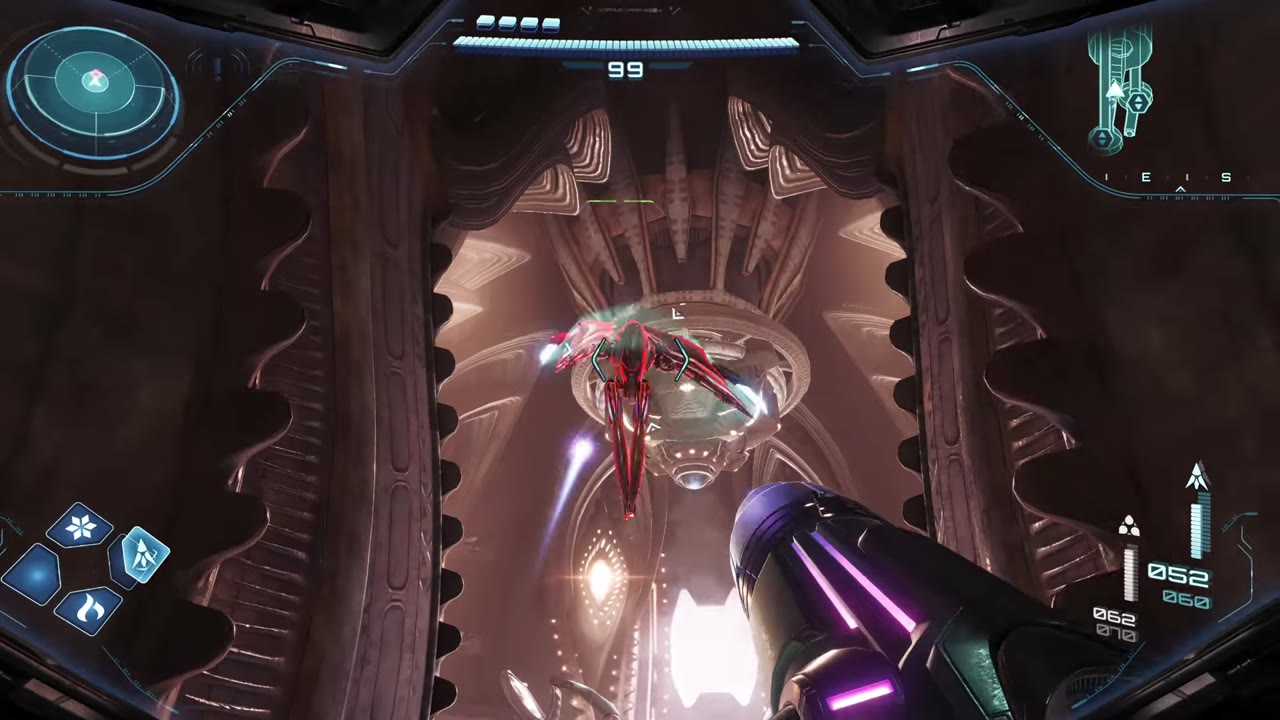
Metroid Prime 4 is a beautiful game for the Switch 2, and it runs so smoothly in both fidelity and performance modes. Playing in 4K 60 was my main way to play throughout the journey since this is a single-player game, but the added smoothness to aiming with 120 FPS is definitely a treat. Handheld mode at 1080 60 likewise keeps the beautiful visuals intact. Environments are teeming with details, and the sky boxes never fail to impress. Even Sol Valley possesses its own unique beauty. Character models are fantastic, and animations don’t disappoint. At times, there are obviously lower resolution textures and shadows, but if I wasn’t specifically looking for them, I don’t think I would have been bothered by them. This is by far the best-looking game I have experienced on the Switch 2 to date! Even on the original Switch, the game is quite impressive. You can tell everything is lower resolution, but it still looks great and doesn’t take away from the overall experience.
What It Could Have Done Better
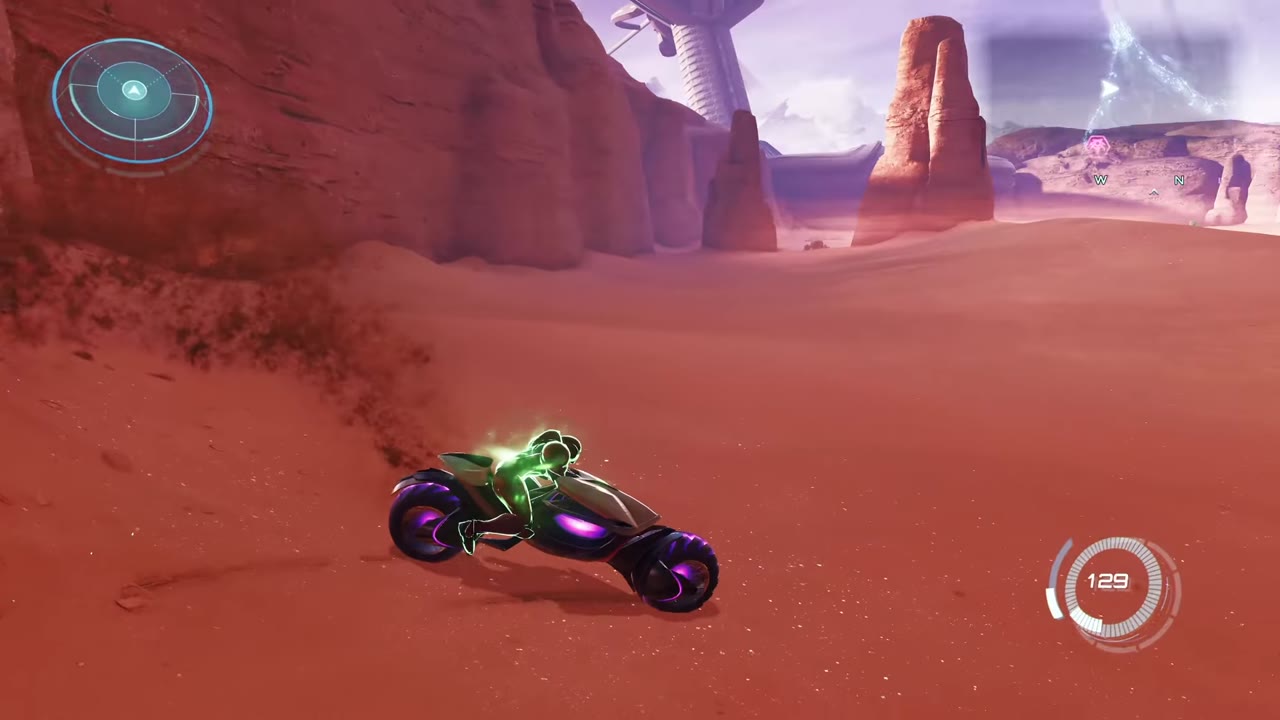
As I stated at the beginning, Prime 4 is not without flaws, but mine don’t fully line up with the online discourse surrounding this game. I don’t mind Sol Valley or companions for the most part. I think there were some missed opportunities to flesh out the Sol Valley area to make the few explorable areas a bit more interesting. Essentially, every Galactic Federation ruin that got warped to Viewros is just useless terrain that might contain an item pick-up. Having a Frigate crash-type building to explore could have been a fun feature. As for the companions, I just wish we could toggle off Myle’s hints while driving around Sol Valley. While they do a good job of pointing you in the right direction, long-time fans don’t want that type of hint. Otherwise, I don’t mind their inclusion, and I actually like the interactions between them. Sitting at camp and listening to them talk is a fun interaction for me.
Most of my biggest problems with Prime 4 just come from story elements that don’t quite line up. With the teleportation to Viewros, we see that it encompasses the entire Federation base, yet only 7 people come through. Where are the Space Pirate attackers, and where are the Metroids Sylux brought with him? We know some Metroids make it to Viewros since the main bosses are all Metroid-infused, but how did they become that way? Also, what the heck was that ending! It does not do Samus’ character right to me at all, especially with other scenes shown just moments before it. Also, the way certain scenes in the mines play out, just being undone within minutes, to then be rug-pulled by the ending, is quite puzzling. Also, why can’t Samus talk when being directly addressed!!!! And of course, we have to say screw Amiibo once again, as Nintendo is smoking crack with those $30 price tags for them and locking things behind them or 100% completion.
Replayability
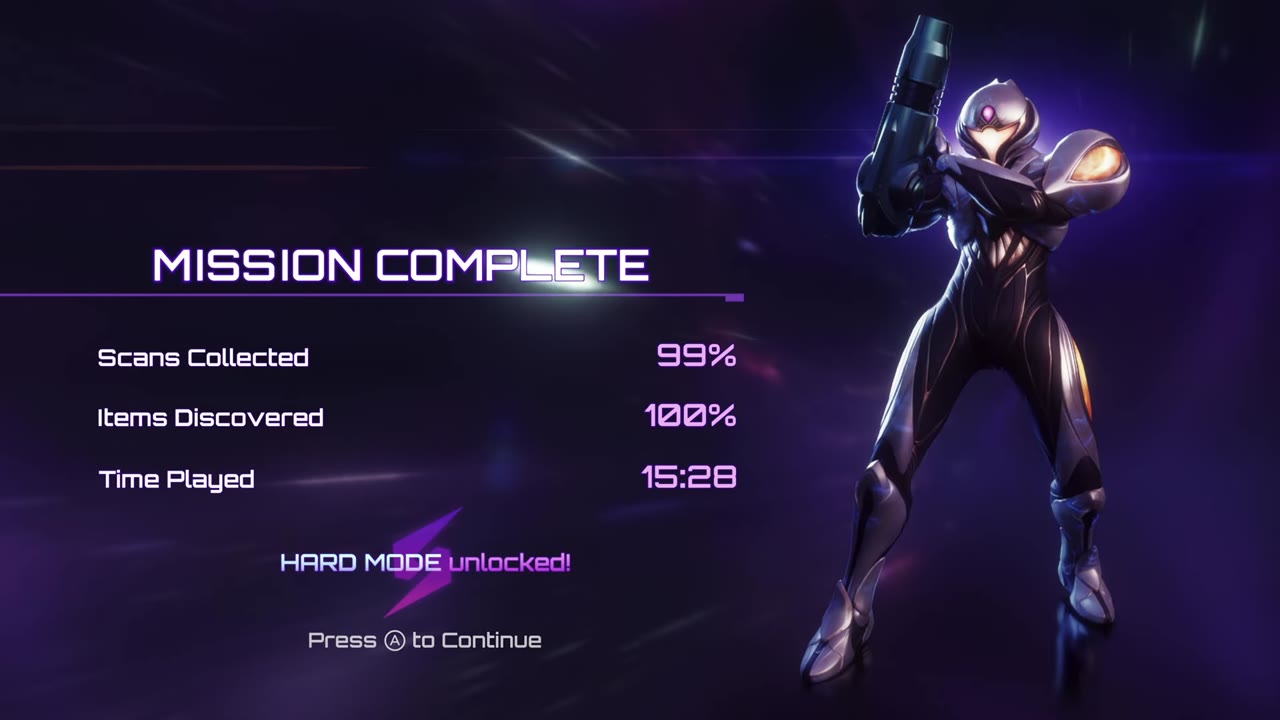
Metroid Prime 4 encourages multiple playthroughs after your first, thanks to an unlockable hard mode that ups the game’s combat difficulty. A Gallery is also present on the main menu that contains the game's cutscenes and other artworks to unlock based on your in-game progress. Collecting every item and filling out your logbook, and beating the game on hard, are all required to unlock everything. I sadly seem to have missed one scan on a mini boss, so I will have to be more diligent on my hard mode playthrough. Thankfully, Scout Bots can be found in each area to reveal the location of hidden items! Having 100% for the finale of the game will also unlock an extra post-game cutscene of Sylux’s backstory, which is cool to watch. This scene is also available with the Sylux Amiibo. I seriously hate Amiibos if you can’t tell…
Verdict
Metroid Prime 4: Beyond will likely go down as a polarizing game for some, but to me, it feels like a natural continuation of the gameplay style setup in Metroid Prime 3. We lose a lot of gimmicks that Prime 3 had and gain fantastic precision in controls, which is a great trade-off in my book. It is more linear than the 2D games, but it falls in line well with Prime 3. The story is decent, only really let down by a few inconsistencies and the ending, on top of Samus being an awkward, shy tree. Gameplay is top-tier with excellent combat and plenty of things to find and scan. Vi-0-La breaks up the typical gameplay loop and can be a ton of fun to drive around on. Many of the boss fights are also a blast! It may have taken 8 years for the game to arrive after its initial announcement, but for me, it has overall been worth the wait!